
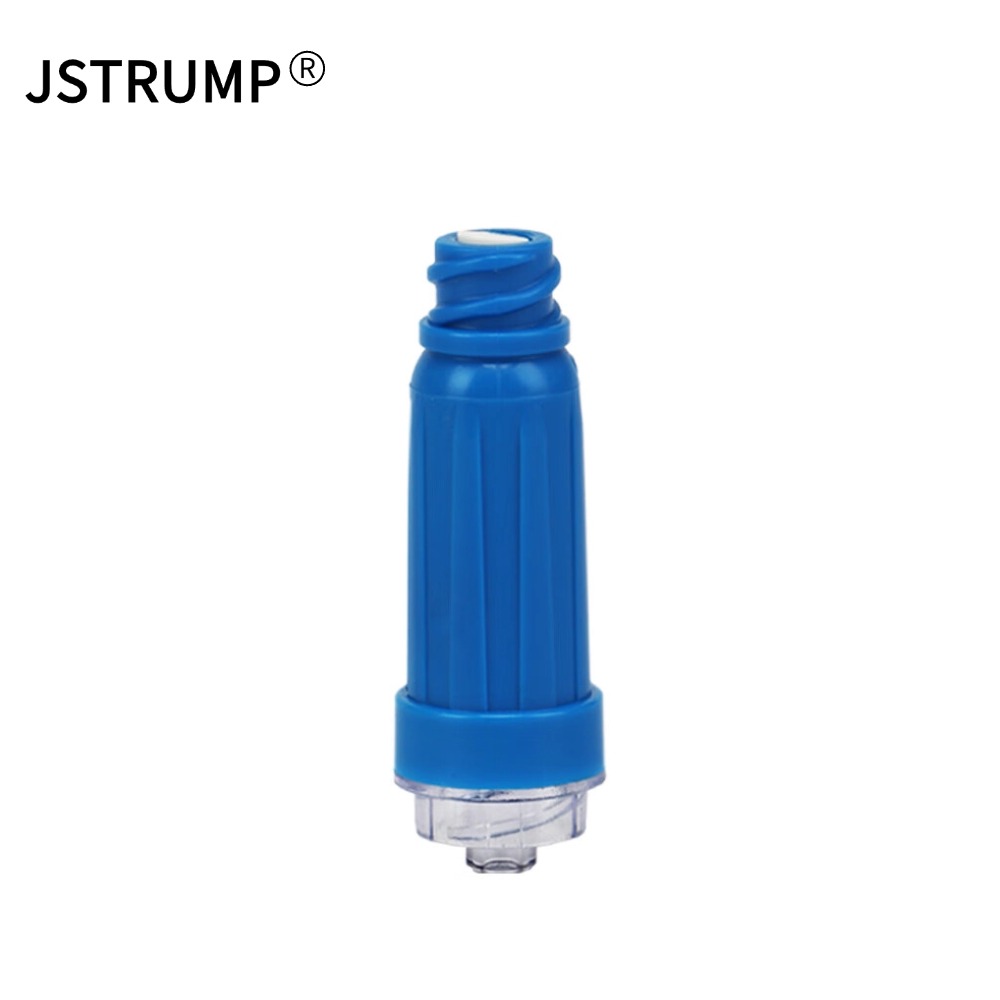
The medical device industry is undergoing continuous regulatory change, and these updates have a direct impact on the production standards of every medical consumables manufacturer. From raw material selection and contamination control to documentation, labeling, validation, and post-market surveillance, regulatory requirements shape how medical consumables are designed, produced, tested, packaged, stored, and distributed. For manufacturers of disposable medical supplies, surgical consumables, diagnostic consumables, and other healthcare-related single-use products, staying aligned with the latest medical device regulations is not only a compliance obligation but also a strategic advantage.
This article provides a detailed, SEO-friendly overview of regulatory updates on medical devices, the meaning of production standards in the medical consumables industry, the main compliance requirements, core advantages of regulatory alignment, common specifications, and the practical impact on manufacturing operations. The content is designed for use on blog pages, category pages, industry pages, and directory pages, with a clear structure that supports search engine indexing and user readability.
A medical device regulatory update refers to any new or revised rule, guideline, directive, standard, harmonized requirement, or enforcement expectation issued by a government authority or regulatory body that affects how medical devices are classified, manufactured, tested, marketed, traced, or monitored. Because medical consumables are often classified as medical devices or device-related products, any regulatory update can influence their production standard, quality control system, technical documentation, and market access requirements.
Regulatory updates may come from international frameworks, national medical device laws, regional regulations, or technical standards organizations. These updates are often introduced to improve patient safety, reduce contamination risks, enhance traceability, strengthen product performance, and make the global supply chain more transparent. For a medical consumables manufacturer, the practical effect is usually a need to adjust production processes, update quality management systems, and maintain stronger evidence of compliance.
| Regulatory Area | Typical Update Focus | Manufacturing Impact |
|---|---|---|
| Classification rules | Risk-based device grouping | Changes in testing, documentation, and approval pathway |
| Quality system requirements | Process control, CAPA, supplier oversight | More robust production documentation and audits |
| Labeling and UDI | Traceability and product identification | Packaging and label redesign |
| Biocompatibility | Material safety and human contact risks | Material validation and testing updates |
| Sterilization and hygiene | Sterility assurance and contamination control | Revalidation of sterilization processes |
| Post-market surveillance | Complaint handling and incident reporting | Stronger traceability and feedback systems |
Medical consumables include products such as gloves, syringes, surgical dressings, gauze, wound care items, catheters, masks, specimen collection items, and other disposable healthcare products. These items may appear simple, but they are used in sensitive clinical environments where safety, sterility, performance consistency, and material quality are critical.
When medical device regulations change, manufacturers must adapt to maintain compliance and market access. Failure to comply can lead to product recalls, customs delays, import restrictions, corrective actions, delayed registrations, loss of buyer confidence, and reputational damage. On the other hand, companies that respond quickly to regulatory updates can strengthen their quality systems, improve customer trust, and support sustainable growth in domestic and international markets.
Regulatory alignment also supports operational efficiency. A stable, compliant production standard reduces the risk of defects, improves process repeatability, and helps manufacturers pass supplier audits from hospitals, distributors, and procurement organizations. In competitive healthcare markets, compliance is not just a legal requirement; it is a commercial advantage.
Production standard in the medical consumables industry refers to the structured set of requirements that govern how a product is manufactured and controlled. It includes raw material selection, environmental conditions, production validation, in-process inspection, final product testing, packaging, labeling, storage, and shipment.
A strong medical consumables production standard is usually based on a quality management system, risk management principles, and documented procedures that ensure consistent output. While specific requirements vary by product type and region, most standards focus on the same core elements.
| Production Standard Element | Description | Purpose |
|---|---|---|
| Raw material control | Verification of material source, grade, and safety | Ensures product consistency and biocompatibility |
| Clean manufacturing environment | Controlled air, hygiene, and contamination prevention | Reduces risk of microbial or particulate contamination |
| Process validation | Documented proof that production methods work consistently | Supports repeatable quality and regulatory compliance |
| In-process inspection | Checks during manufacturing operations | Detects defects before final release |
| Final product testing | Mechanical, functional, dimensional, or sterility testing | Confirms product meets specifications |
| Packaging control | Integrity of primary and secondary packaging | Protects product during transport and storage |
| Traceability | Batch records and product identification | Supports recalls, complaints, and market surveillance |
Regulatory updates on medical devices generally affect several compliance categories. For medical consumables manufacturers, the most important areas often include quality management, material safety, sterilization, labeling, technical documentation, and post-market monitoring.
Many medical device regulations require a formal quality management system. This system defines responsibilities, control procedures, training requirements, document management, nonconformance handling, and continuous improvement activities. For manufacturers of medical consumables, this means production cannot rely on informal practices. Every process must be defined, monitored, and recorded.
Consumables that contact skin, blood, tissue, or mucosal surfaces must be made from safe and suitable materials. Regulatory updates often increase scrutiny on material composition, additives, residues, and toxicological risk. This pushes manufacturers to perform better supplier qualification and product material validation.
For sterile medical consumables, sterilization validation is one of the most important compliance areas. Regulatory changes may require stronger evidence of sterility assurance, packaging integrity, and environmental control. Even for non-sterile consumables, microbial limits and hygiene requirements may still apply depending on intended use.
Accurate labeling is essential for compliance and user safety. Regulatory updates frequently affect label content, language requirements, symbols, shelf-life marking, and unique device identification. A label error can create compliance issues even when the product itself is well manufactured.
Unique Device Identification and traceability systems help regulators and buyers identify products, track batches, and manage recalls. This area is increasingly important in global supply chains, and it directly influences packaging design, ERP systems, and batch record management.
Manufacturers must monitor product performance after launch. Complaint handling, adverse event reporting, corrective actions, and trend analysis are all part of a mature regulatory compliance system. Medical consumables with high usage volumes require particularly strong post-market data management.
When new or revised medical device regulations are introduced, manufacturers often need to adjust daily production operations. These changes may involve investments in equipment, staff training, validation studies, documentation systems, or supplier audits.
The following are the most common operational impacts:
| Operational Area | Possible Regulatory Change | Resulting Manufacturer Action |
|---|---|---|
| Material sourcing | Stricter material safety evidence | Supplier requalification and documentation review |
| Production environment | Higher cleanliness requirements | Improved air filtration, sanitation, and monitoring |
| Quality control | More formal test methods | Updated inspection plan and equipment calibration |
| Packaging | New traceability or label rules | Package artwork revision and label verification |
| Documentation | Expanded technical file requirements | Recordkeeping and regulatory file updates |
| Distribution | Storage or transport control expectations | Improved warehouse management and shipping controls |
Adapting to regulatory updates is not only about avoiding penalties. It also creates measurable benefits for manufacturers and their customers. A compliant production standard can improve quality, reduce waste, and enhance market confidence.
| Advantage | Business Value | Industry Impact |
|---|---|---|
| Higher product safety | Fewer quality complaints and lower recall risk | Improved patient and clinician confidence |
| Better consistency | Stable process outcomes and fewer deviations | Reliable supply for healthcare buyers |
| Global market access | Easier entry into regulated markets | Expanded distribution opportunities |
| Stronger audit performance | Better supplier and customer assessment results | Improved reputation and procurement eligibility |
| Reduced operational risk | Lower chance of nonconformance and delays | More efficient manufacturing continuity |
| Improved traceability | Faster issue investigation and response | Better recall and complaint management |
Different consumable products require different technical specifications, but many production standards share common measurable attributes. These attributes help define quality requirements and support product release decisions.
| Specification Category | Typical Parameters | Why It Matters |
|---|---|---|
| Material composition | Polymer type, fiber content, resin grade, additive profile | Affects safety, durability, and intended use |
| Dimensional accuracy | Length, width, thickness, diameter, tolerance range | Supports fit, function, and compatibility |
| Mechanical performance | Tensile strength, burst resistance, puncture resistance | Ensures product can perform in clinical settings |
| Sterility level | Sterility assurance level, microbial limit criteria | Essential for patient safety in sterile products |
| Packaging integrity | Seal strength, barrier performance, leak resistance | Protects product during storage and transport |
| Shelf life | Stability period under defined storage conditions | Ensures product remains effective until use |
| Traceability code | Batch number, lot number, UDI, manufacturing date | Supports compliance and recall response |
Nearly all categories of medical consumables can be influenced by regulatory updates, especially those used in invasive procedures, sterile fields, wound management, or diagnostic collection. The exact compliance burden depends on product risk classification and intended use.
To respond effectively to regulatory updates, medical consumables manufacturers should implement a proactive compliance strategy. This strategy should integrate regulatory monitoring, process control, supplier management, testing, and documentation management.
Many medical consumables manufacturers face similar challenges when responding to regulatory updates. These issues can slow production, increase costs, or create compliance gaps if not managed carefully.
| Challenge | Cause | Typical Risk |
|---|---|---|
| Frequent rule changes | Different markets update requirements at different times | Confusion and inconsistent compliance |
| Supplier variability | Material quality differences among vendors | Product performance inconsistency |
| Documentation burden | More detailed technical and quality evidence required | Delayed approvals and audits |
| Testing cost | Additional validation and laboratory testing | Higher operational expenses |
| Packaging revisions | Label and traceability update requirements | Artwork errors or stock waste |
| Training gaps | Employees not familiar with new standards | Production deviations and nonconformance |
The following keyword themes are highly relevant for blog content, category descriptions, and industry landing pages related to regulatory update on medical devices and medical consumables manufacturer production standards. These phrases should be used naturally and repeatedly across headings, paragraphs, tables, and metadata where appropriate.
The main effect is the need to revise production standards, testing methods, documentation, labeling, and quality controls to remain compliant with current medical device requirements.
No. The required controls depend on the product’s risk level, intended use, sterility status, contact type, and target market regulation.
Traceability helps identify product batches, support recalls, manage complaints, and demonstrate compliance during audits and inspections.
Regulatory changes can happen regularly, depending on the region and product category. Manufacturers should monitor updates continuously rather than periodically.
Quality management systems provide the framework for consistent production, documented control, corrective actions, and ongoing compliance with medical device regulations.
A regulatory update on medical devices can significantly reshape the production standard of every medical consumables manufacturer. Whether the change involves quality management, sterilization, packaging, labeling, traceability, or material validation, the practical result is the same: manufacturers must maintain stronger control over every stage of the production process.
In the modern healthcare supply chain, compliance is inseparable from product quality. Medical consumables manufacturers that proactively respond to regulatory updates can protect patient safety, improve product reliability, support market access, and strengthen their long-term competitiveness. For businesses operating in this sector, regulatory readiness is not merely a legal necessity; it is a foundation for sustainable manufacturing excellence.
If you are building a blog, industry page, or directory landing page around medical consumables manufacturing, this topic offers strong SEO value because it combines high-intent keywords, compliance-focused search demand, and broad relevance across healthcare procurement and device regulation audiences.
Этот веб-сайт использует файлы cookie, чтобы обеспечить вам максимально эффективное использование нашего веб-сайта.



 телефон
Комментарий
(0)