
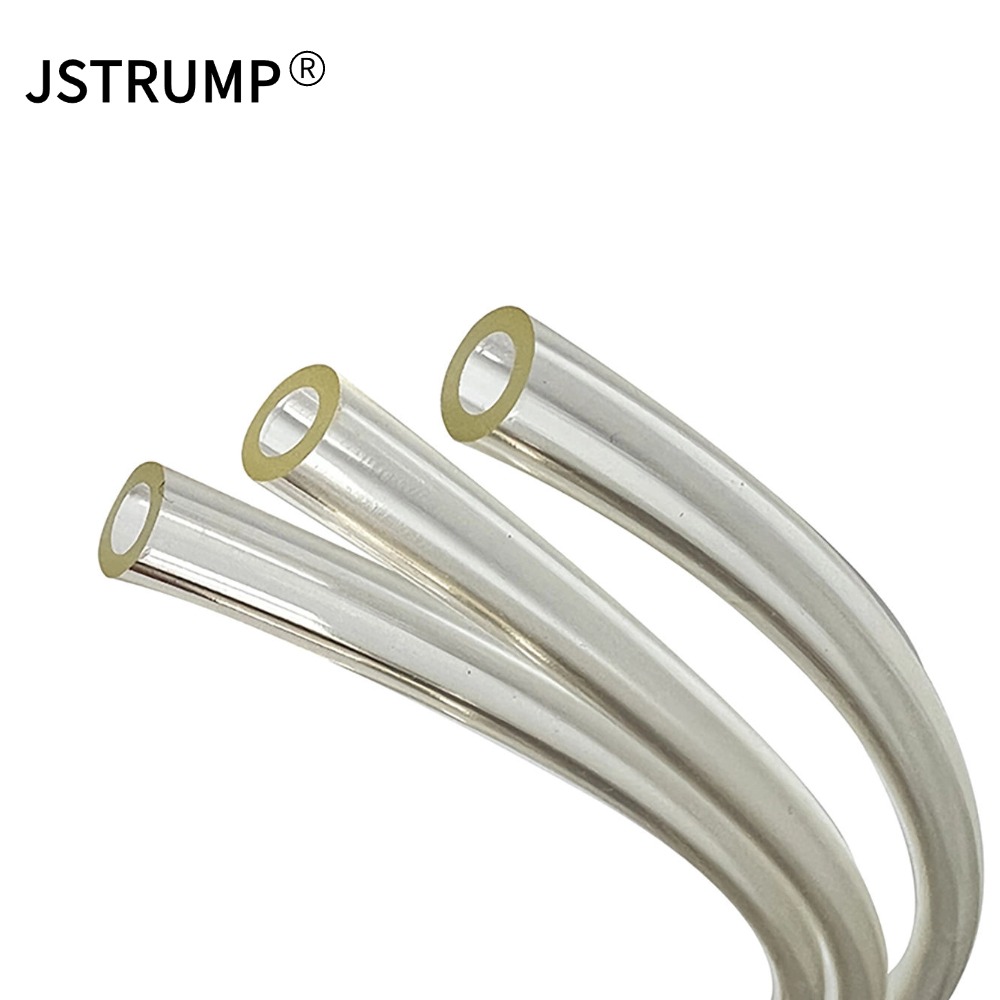
Home healthcare is rapidly transforming the medical supply landscape. As more patients receive treatment, monitoring,
rehabilitation, and long-term care at home, demand for disposable medical supplies has increased at a
remarkable pace. This trend is reshaping purchasing patterns across the healthcare industry and making
home healthcare the fastest-growing end user of disposable medical supplies.
The shift toward home-based care is driven by multiple factors, including aging populations, chronic disease management,
lower healthcare costs, patient preference, hospital discharge acceleration, and the expanding use of remote care models.
In this environment, disposable products such as gloves, masks, syringes, wound dressings, catheters, tubing, and
incontinence supplies have become essential for safe and effective care delivery outside traditional clinical settings.
This page provides an original, SEO-friendly overview of the home healthcare disposable medical supplies market.
It includes definitions, market drivers, product categories, use cases, advantages, key specifications, and practical
buying considerations. The content is designed for direct use in blogs, category pages, industry pages, and informational
landing pages.
Disposable medical supplies are single-use or limited-use healthcare products designed to support
infection prevention, treatment, monitoring, hygiene, and patient comfort. These products are intended to be used once
or for a short duration and then discarded according to medical waste or household disposal guidelines.
In home healthcare, disposable medical supplies are used to provide safe care for patients recovering from surgery,
managing chronic illness, receiving palliative support, or requiring ongoing assistance with daily medical needs.
These products reduce contamination risk, improve convenience, and simplify care routines for patients, family
caregivers, and professional home health providers.
Common disposable medical supplies include:
The home healthcare segment is experiencing accelerated growth because care delivery is moving away from hospitals and
toward lower-cost, patient-centered environments. Disposable medical supplies are a core part of this transition.
Home care settings require products that are easy to use, hygienic, portable, and readily available in small or
recurring quantities.
Several macro trends are fueling this growth:
As a result, home healthcare has become one of the most important end users in the disposable medical supplies market,
creating strong and consistent demand across product categories.
Disposable medical supplies offer significant benefits in home care environments. These benefits affect patient safety,
caregiver efficiency, and overall treatment quality.
| Advantage | Description | Home Healthcare Impact |
|---|---|---|
| Infection control | Single-use products help reduce cross-contamination and infection risk. | Supports safer care for patients with weakened immune systems or open wounds. |
| Convenience | Easy-to-use supplies simplify daily care tasks. | Improves usability for non-professional caregivers and family members. |
| Time savings | Disposable items eliminate the need for sterilization and reprocessing. | Speeds up routine home care procedures. |
| Cost control | Many disposables are affordable and available in practical quantities. | Helps families and providers manage recurring care expenses. |
| Portability | Compact packaging and lightweight design support home and mobile care. | Ideal for visiting nurses, caregivers, and outpatient recovery. |
| Consistency | Standardized products deliver predictable performance. | Enhances care routines and treatment accuracy. |
Home healthcare relies on a broad range of disposable medical products. Each category supports a different aspect of
treatment, comfort, hygiene, or monitoring. Below is a clear overview of the most commonly used disposable supplies in
home care environments.
PPE is essential for reducing exposure to bodily fluids, infectious agents, and environmental contaminants. In home
healthcare, gloves, masks, gowns, and face shields are used during wound care, bathing assistance, medication handling,
respiratory support, and other close-contact procedures.
Disposable wound care products support dressing changes, infection prevention, and healing. These may include gauze,
adhesive bandages, wound pads, sterile dressings, tapes, and cleansing wipes. Wound care is one of the largest demand
areas in home healthcare because many patients need ongoing post-surgical or chronic wound management.
Incontinence pads, briefs, adult diapers, underpads, and disposable bed protectors are widely used in home settings.
These products improve dignity, comfort, hygiene, and caregiver efficiency for elderly and mobility-limited patients.
Syringes, needles, IV tubing, alcohol prep pads, and related consumables are widely used for medication administration
and fluid therapy. These products must meet strict quality expectations because they directly affect treatment safety
and dosage accuracy.
Disposable urinary catheters, drainage bags, collection containers, and related accessories are common in home-based
recovery and long-term care. Their use supports patient mobility, hygiene, and clinical monitoring.
Home healthcare also uses disposable lancets, test strips, specimen cups, swabs, and sampling accessories. These
products support regular monitoring of blood glucose, infection status, and other health indicators.
Disposable oral swabs, cleansing wipes, bed bath wipes, and hygiene pads help maintain comfort and cleanliness when
patients have limited mobility or reduced self-care capacity.
Disposable medical supplies are used across many home healthcare scenarios. These use cases continue to expand as more
treatments can now be safely delivered outside hospitals and clinics.
| Use Case | Common Disposable Supplies | Purpose |
|---|---|---|
| Post-surgical recovery | Bandages, sterile dressings, gloves, antiseptic wipes | Supports wound healing and infection prevention. |
| Chronic disease management | Syringes, lancets, test strips, swabs, masks | Enables routine monitoring and medication administration. |
| Elderly care | Incontinence pads, underpads, gloves, wipes | Improves hygiene, comfort, and daily caregiving. |
| Mobility support | Gloves, cleansing products, transfer-related hygiene supplies | Helps caregivers maintain safe assistance routines. |
| Palliative care | Comfort wipes, wound supplies, gloves, drainage accessories | Supports dignity, cleanliness, and symptom management. |
| Respiratory support | Masks, disposable filters, cleaning wipes | Helps reduce exposure and maintain sanitary equipment use. |
| Home infusion and medication therapy | Needles, syringes, alcohol pads, IV consumables | Facilitates safe medication delivery at home. |
When selecting disposable medical supplies for home healthcare, buyers typically evaluate product specifications that
affect safety, comfort, performance, and cost. The right specifications depend on the patient’s condition and the
intended use.
| Product Type | Key Specifications | Buyer Considerations |
|---|---|---|
| Disposable gloves | Material, thickness, size, powder-free design, tactile sensitivity | Choose based on skin sensitivity, chemical exposure, and level of protection needed. |
| Face masks | Layer count, filtration level, breathability, ear-loop comfort | Important for caregiver protection and infection control. |
| Syringes and needles | Volume, gauge, needle length, sterile packaging | Must match medication type and administration method. |
| Wound dressings | Absorbency, adhesive strength, sterile status, size | Should align with wound type, drainage level, and skin condition. |
| Incontinence products | Absorbency level, fit, leak protection, odor control | Should balance comfort, coverage, and skin protection. |
| Catheters | Material, French size, length, lubrication, sterility | Requires careful matching to patient anatomy and care protocol. |
| Alcohol prep pads | Alcohol concentration, pad size, saturation level | Used for skin cleansing before injections or procedures. |
In home healthcare, purchasing decisions should always prioritize clinical suitability, user friendliness, and compliance
with applicable product standards.
The growth of home healthcare is strongly linked to broader shifts in healthcare delivery. These market drivers are
helping create durable demand for disposable medical supplies.
Patients with diabetes, heart disease, respiratory disease, renal conditions, and neurological disorders often need
ongoing home-based support. Disposable supplies are necessary for monitoring, hygiene, medication administration, and
symptom control.
Older adults are more likely to require assistance with incontinence management, wound care, injections, and daily
hygiene. This makes home healthcare a high-consumption channel for disposable products.
Healthcare systems increasingly favor treatment models that reduce hospital occupancy and support recovery at home.
This creates ongoing demand for portable and easy-to-use disposable supplies.
Many families prefer home care because it reduces travel time, improves comfort, and offers more control over caregiving
routines. Disposable supplies fit naturally into these care workflows.
Visiting nurses, home aides, and care managers use disposable products during routine visits. Their professional use
further reinforces recurring demand.
Post-pandemic awareness has increased attention to hygiene and contamination control. Disposable products are widely
seen as practical tools for maintaining safer care environments.
While hospitals and clinics remain major consumers of disposable medical supplies, home healthcare is growing faster
due to its scalability and recurring use patterns. The table below highlights the differences among key end users.
| End User | Typical Purchasing Pattern | Usage Environment | Growth Profile |
|---|---|---|---|
| Hospitals | High-volume institutional purchasing | Clinical, high-acuity, fast-paced | Stable, mature demand |
| Clinics | Moderate recurring purchases | Outpatient, routine treatment | Steady demand |
| Long-term care facilities | Scheduled bulk replenishment | Resident care, chronic support | Moderate growth |
| Home healthcare | Recurring household and caregiver-driven purchases | Personal care, recovery, long-term support | Fastest-growing |
For content visibility and search relevance, this topic is commonly associated with the following high-intent keywords
and semantic phrases:
Using these terms naturally throughout a page can improve topical relevance, search discoverability, and long-tail
ranking potential.
Selecting the right disposable medical supplies for home healthcare involves more than choosing the lowest price.
Decision-makers should consider product fit, safety, ease of use, and reliability.
Although disposable medical supplies are essential in home healthcare, users may face practical challenges. Addressing
these issues improves care quality and supply efficiency.
| Challenge | Explanation | Practical Impact |
|---|---|---|
| Improper storage | Home environments may not always have ideal storage conditions. | Can affect product integrity and hygiene. |
| Caregiver training | Non-professional caregivers may need guidance on correct use. | Increases the risk of misuse or inconsistent care. |
| Supply planning | Families may underestimate usage rates. | Can lead to shortages or emergency purchases. |
| Waste management | Used disposable products must be discarded properly. | Creates household waste and disposal concerns. |
| Budget pressure | Recurring purchase needs can add up over time. | Cost management becomes an important part of care planning. |
The future of disposable medical supplies in home healthcare remains highly positive. As healthcare systems continue to
emphasize outpatient treatment, remote monitoring, and patient-centric care, the need for disposable consumables will
continue to expand.
Future demand is likely to be shaped by:
This outlook suggests that home healthcare will remain a leading and fast-growing end user of disposable medical
supplies for years to come. Suppliers, distributors, and content publishers that focus on this category can benefit from
sustained market attention and strong search demand.
Home healthcare has emerged as the fastest-growing end user of disposable medical supplies because it combines recurring
product demand, a broad range of care needs, and strong long-term demographic support. Disposable medical supplies play
a critical role in wound care, infection prevention, medication administration, hygiene, incontinence management, and
patient monitoring at home.
The category benefits from rising chronic disease rates, aging populations, lower-cost care preferences, and the growing
availability of professional home health services. As a result, disposable medical supplies for home healthcare are
becoming increasingly important across global healthcare supply chains.
For SEO and content strategy, this topic offers strong ranking potential because it addresses a high-growth segment,
includes commercially relevant keywords, and supports multiple page types such as blog posts, directory pages, industry
overviews, and product category introductions.
```
Этот веб-сайт использует файлы cookie, чтобы обеспечить вам максимально эффективное использование нашего веб-сайта.



 телефон
Комментарий
(0)