
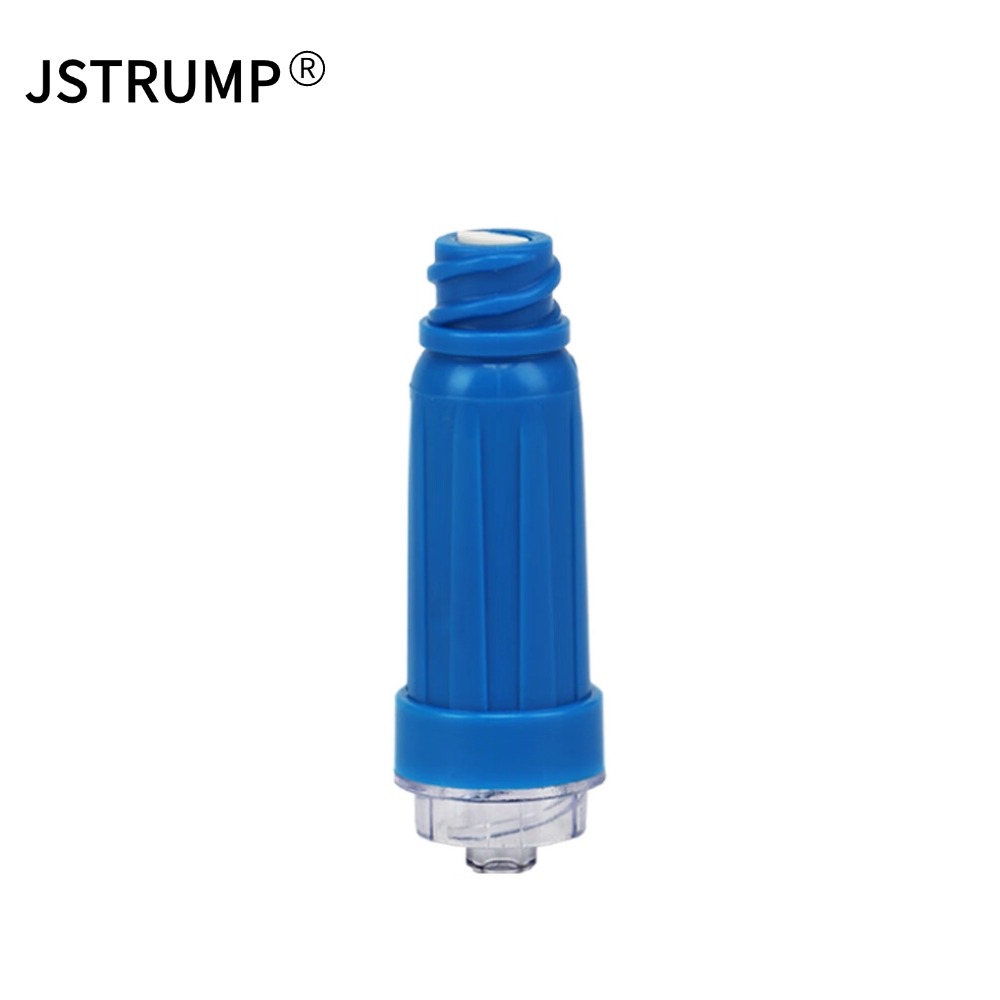
Single-use epidural IV access devices certified for obstetric anesthesia therapy are essential components in
modern maternity care, especially in labor and delivery settings where safety, sterility, workflow efficiency,
and consistent clinical performance are critical. These devices are designed to support anesthesia delivery,
vascular access, medication administration, and procedural reliability during obstetric care. In hospitals,
maternity units, surgical centers, and labor wards, single-use epidural IV access products help reduce cross-contamination risk,
streamline clinical procedures, and support standardized anesthesia protocols.
This article provides a comprehensive, SEO-friendly overview of single-use epidural IV access devices for obstetric anesthesia therapy.
It covers definitions, functions, benefits, technical specifications, common materials, clinical applications, safety considerations,
sterilization standards, usage environments, and product selection factors. The content is written in clear English and structured
for direct insertion into a blog post, directory page, medical industry page, or product category landing page.
Single-use epidural IV access devices are disposable medical devices used to support epidural anesthesia and intravenous access
during obstetric procedures. In the context of labor and delivery, these devices may include epidural needles, epidural catheters,
insertion accessories, IV access components, connectors, injection ports, filters, extension sets, and related sterile consumables.
Their purpose is to facilitate accurate placement, maintain a sterile pathway, and enable controlled administration of anesthetic
agents or fluids.
The term single-use means the device is intended for one patient and one procedure only. After use, it is discarded
according to hospital infection control policy and local regulatory requirements. This disposable design helps minimize infection risk
and supports compliance with strict obstetric anesthesia standards.
Obstetric anesthesia therapy requires precision, sterility, and rapid clinical response. During labor, patients may need epidural pain
management, fluid administration, medication delivery, or support for emergency procedures. Single-use epidural IV access devices are
important because they help anesthesia teams maintain reliable access while reducing the risk of contamination and procedural delays.
In maternal care environments, clinical teams often work under time-sensitive conditions. A disposable epidural IV access system
provides several practical advantages: it reduces preparation time, avoids reprocessing steps, and supports more predictable performance.
For hospitals seeking standardized obstetric anesthesia protocols, single-use devices are often preferred for efficiency and safety.
| Function | Description | Clinical Value in Obstetrics |
|---|---|---|
| Epidural Access | Supports insertion of an epidural needle and catheter into the epidural space. | Enables pain management during labor and delivery. |
| Intravenous Access Support | Facilitates connection to IV fluids, medications, and infusion components. | Helps maintain maternal hydration and medication administration. |
| Sterile Fluid Delivery | Provides a sterile pathway for anesthetic or supportive solutions. | Reduces infection risk during invasive procedures. |
| Secure Connection | Uses connectors, ports, and locking interfaces to maintain stable assembly. | Supports consistent performance during labor movements. |
| Single-Patient Use | Designed for one-time use and disposal after the procedure. | Improves infection control and workflow efficiency. |
Single-use epidural IV access devices may be supplied as individual components or as part of a complete obstetric anesthesia kit.
The most common product types include:
Single-use epidural IV access devices are widely used in obstetric anesthesia therapy because they offer a strong combination of safety,
practicality, and clinical consistency. Below are the main benefits.
Disposable devices help reduce the possibility of patient-to-patient contamination. Since the product is not reused, the risk of residual
biological material or improper reprocessing is minimized.
In maternity care, infection control is especially important because procedures may involve access to sterile body spaces.
Single-use design supports a clean and controlled workflow, which is critical in obstetric anesthesia therapy.
Single-use products eliminate cleaning, re-sterilization, and inspection between patients. This can save time for anesthesia providers
and labor and delivery staff, particularly in busy hospital environments.
Disposable devices are manufactured to standardized specifications. This helps clinicians work with predictable dimensions, connection types,
and material properties.
Hospitals and clinics can stock standardized single-use devices in sealed packaging, simplifying storage, traceability, and supply control.
Properly designed epidural and IV access devices support smooth insertion, stable fixation, and controlled delivery of fluids or medication,
all of which contribute to patient comfort and procedural safety.
These devices are manufactured from medical-grade materials selected for biocompatibility, flexibility, strength, and sterilizability.
Common materials may include:
| Material | Typical Use | Main Properties |
|---|---|---|
| Medical-grade stainless steel | Epidural needles and structural components | Strength, sharpness, corrosion resistance |
| Polyurethane | Catheters and flexible lines | Flexibility, durability, kink resistance |
| Silicone | Catheter and soft-touch elements | Biocompatibility, softness, patient comfort |
| Polypropylene | Connectors, hubs, and housings | Lightweight, stable, cost-effective |
| Polyvinyl chloride (PVC) | Extension tubing and fluid pathways | Flexibility, transparency, processing ease |
| ABS plastic | Housings and accessory parts | Impact resistance, rigidity, moldability |
| Medical-grade adhesives | Fixation and securement components | Reliable bonding and skin-safe performance |
The exact specifications of single-use epidural IV access devices can vary based on the intended clinical use, product type, and
hospital protocol. The following table outlines common specification ranges used in the industry.
| Specification | Common Range or Description | Relevance to Obstetric Anesthesia |
|---|---|---|
| Needle gauge | Typically 16G to 18G for epidural access | Affects insertion control and flow characteristics |
| Catheter size | Commonly 20G to 24G equivalent | Supports medication delivery and patient comfort |
| Catheter length | Often 80 cm to 120 cm or more depending on design | Provides reach and secure positioning |
| Connector type | Locking, luer-style, or proprietary secure connection | Prevents disconnection and leakage |
| Sterilization method | Ethylene oxide, gamma radiation, or validated equivalent | Maintains sterile packaging and safe clinical use |
| Packaging | Individually sealed sterile pouch or kit | Supports aseptic handling and storage |
| Shelf life | Usually defined by manufacturer and packaging validation | Important for inventory rotation and compliance |
| Latex content | Often latex-free or low-latex design | Reduces allergy concerns in maternity care |
Single-use epidural IV access devices are widely used in obstetric anesthesia therapy for a range of clinical applications.
These include:
Because labor and delivery can be unpredictable, healthcare teams require reliable access devices that can perform consistently under
time-sensitive conditions. Disposable epidural IV access products are therefore commonly used in operating rooms, maternity suites,
emergency obstetric settings, and recovery units.
Safety is one of the most important reasons for using single-use epidural IV access devices in obstetric anesthesia therapy.
Hospitals and clinics should follow strict aseptic technique and established clinical protocols when handling these devices.
Important safety considerations include:
Single-use epidural IV access devices used in obstetric anesthesia therapy are generally expected to meet stringent quality and regulatory
requirements. While exact certification depends on market and region, typical expectations include compliance with applicable medical device
regulations, biocompatibility standards, sterile barrier validation, manufacturing quality systems, and performance testing.
Common quality focus areas include:
When hospitals, distributors, or medical procurement teams evaluate single-use epidural IV access devices, the assessment should focus on
both clinical usability and supply-chain reliability. Important procurement factors include:
| Evaluation Factor | What to Check | Why It Matters |
|---|---|---|
| Clinical compatibility | Fits existing anesthesia protocols and equipment | Reduces implementation issues |
| Size and gauge options | Available dimensions for different patient needs | Supports flexible obstetric use |
| Sterile packaging | Strong barrier and clear labeling | Protects product integrity |
| Material quality | Medical-grade, biocompatible components | Supports patient safety and device durability |
| Ease of use | Simple assembly and secure connection | Saves time in urgent care environments |
| Documentation | Clear IFU, lot number, expiration date | Supports compliance and traceability |
| Supply continuity | Stable production and availability | Important for high-volume maternity units |
Healthcare facilities often prefer single-use epidural IV access devices because they align well with modern safety and operational goals.
The main institutional advantages include reduced risk, faster turnover, simplified logistics, and easier standardization across departments.
Single-use and reusable epidural IV access devices serve similar clinical purposes, but their operational characteristics are very different.
The comparison below highlights the most important distinctions.
| Aspect | Single-Use Devices | Reusable Devices |
|---|---|---|
| Use cycle | One patient, one procedure | Multiple uses after reprocessing |
| Infection control | Lower cross-contamination risk | Depends on cleaning and sterilization quality |
| Workflow | Fast setup and disposal | Requires inspection and reprocessing |
| Cost structure | Recurring purchase cost | Higher upfront cost, lower per-use in some cases |
| Consistency | High standardization | May vary with wear and repeated use |
| Storage | Sealed sterile packaging | Requires reprocessing infrastructure |
Proper storage and handling help maintain the performance and sterility of single-use epidural IV access devices. Best practices typically include:
For search visibility, this topic naturally includes high-intent keywords related to obstetric anesthesia, epidural access, disposable
medical devices, and maternity care. Examples of relevant search phrases include:
In many procurement and clinical documentation contexts, single-use epidural IV access devices are described using a standard set of
characteristics. These characteristics help buyers, clinicians, and supply teams compare products efficiently.
| Characteristic | Typical Description |
|---|---|
| Intended use | Obstetric anesthesia therapy and related access procedures |
| Patient type | Adult maternal patients |
| Use duration | Short-term, procedure-based use |
| Distribution form | Individual sterile unit or procedure kit |
| Connection system | Secure, clinically compatible access interface |
| Disposal | Single-use disposal after clinical application |
Single-use epidural IV access devices certified for obstetric anesthesia therapy play a vital role in safe, efficient, and standardized
maternity care. Their disposable design supports infection control, simplifies workflow, and helps clinical teams deliver reliable pain
management and vascular access during labor and delivery. Whether used in labor epidurals, cesarean support, or emergency obstetric care,
these devices are an essential part of modern anesthesia supply systems.
For hospitals, distributors, and healthcare procurement teams, understanding the definitions, materials, specifications, advantages, and
compliance expectations of single-use epidural IV access devices can support better sourcing decisions and stronger clinical outcomes.
As demand for safe and efficient obstetric anesthesia therapy continues to grow, disposable epidural IV access products will remain a key
category in the medical device industry.
```
Этот веб-сайт использует файлы cookie, чтобы обеспечить вам максимально эффективное использование нашего веб-сайта.



 телефон
Комментарий
(0)