
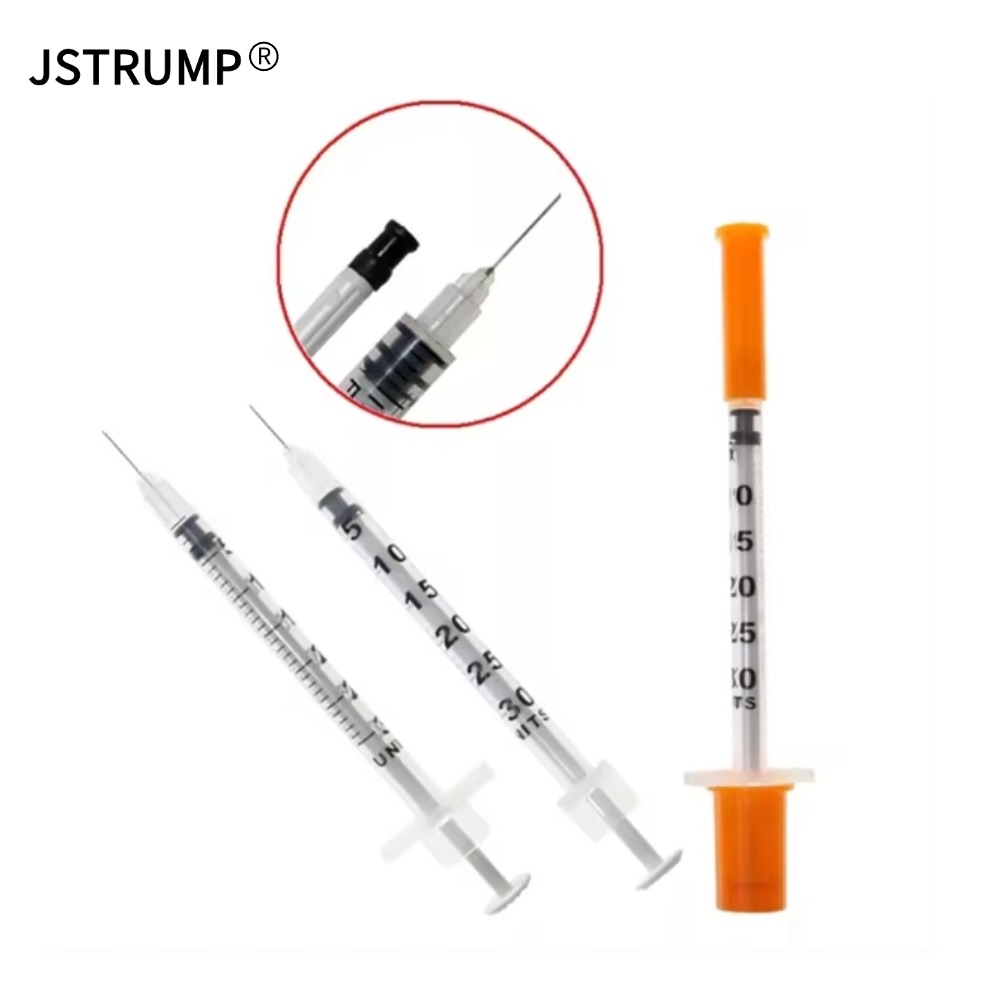
Safety-focused IV access devices are increasingly dominating procurement lists across acute care hospitals because healthcare buyers are placing greater emphasis on needlestick injury prevention, infection control, workflow efficiency, and clinical reliability. In acute care settings, where patient turnover is high and venous access procedures are performed at scale, hospitals are prioritizing IV access devices that help reduce staff exposure risks while supporting consistent vascular access outcomes. As a result, procurement teams are evaluating IV access products not only on price, but also on safety engineering, compliance readiness, usability, and compatibility with modern clinical protocols.
This growing preference reflects a broader shift in hospital purchasing strategy. Acute care facilities now expect IV access devices to contribute to occupational safety goals, patient safety standards, and operational efficiency targets. Products that support closed-system workflows, minimize accidental needle exposure, simplify insertion, and reduce catheter-related complications are gaining strong traction in purchasing decisions. For hospitals managing emergency departments, intensive care units, surgical wards, oncology units, and general inpatient care, safety-focused IV access devices have become essential components of standardized supply catalogs.
Safety-focused IV access devices are vascular access products designed to reduce procedural risk during insertion, maintenance, and disposal. These devices may include safety intravenous catheters, safety needles, integrated needle protection systems, vascular access sets with shielding mechanisms, and accessories that support safer line establishment. The defining feature of these products is the inclusion of engineered safety controls intended to protect both healthcare professionals and patients.
Unlike conventional IV access tools, safety-focused designs typically incorporate passive or active protective features. Passive systems activate automatically without requiring an extra step from the clinician, while active systems require a deliberate action to engage protection after use. Both approaches aim to reduce accidental needle sticks, blood exposure, and contamination risk. In acute care hospitals, where high procedure volume increases the likelihood of occupational incidents, these features are often viewed as critical procurement requirements.
Acute care hospitals face intense pressure to improve patient outcomes while controlling operational risk. IV access is one of the most common procedures performed in hospitals, and it carries inherent safety challenges. Needlestick injuries, catheter dislodgement, infiltration, phlebitis, and contamination can all affect staff safety, patient experience, and financial performance. Procurement teams therefore seek IV access devices that help address these concerns through built-in safety engineering.
In addition, healthcare organizations are increasingly accountable for workplace safety metrics and infection prevention benchmarks. Safety-focused IV access devices can support compliance with internal safety policies, national occupational health goals, and evidence-based clinical protocols. Hospitals also recognize that safer devices can reduce downstream costs associated with staff injury claims, incident reporting, retraining, and procedure-related complications.
Another major factor is standardization. Acute care facilities often prefer a limited number of IV access products that work across multiple departments and patient populations. Devices with simple handling, strong compatibility, and broad clinical applicability are more attractive to procurement teams because they simplify inventory management and reduce user variability.
Safety-focused IV access devices deliver several important advantages in hospital procurement and clinical use. These benefits are a major reason they are appearing more frequently on acute care hospital supply lists.
These benefits are particularly important in high-acuity environments, where patient instability and time-sensitive intervention demand dependable vascular access solutions. Safety-focused IV access devices are therefore considered strategic purchases rather than simple commodity supplies.
The category of safety-focused IV access devices includes several product types used in acute care settings. Understanding the main device categories helps procurement teams compare features and determine whether a product aligns with clinical needs.
| Device Type | Primary Purpose | Key Safety Feature | Typical Acute Care Use |
|---|---|---|---|
| Safety Peripheral IV Catheter | Short-term vascular access | Needle shielding or retraction | Emergency, inpatient, perioperative |
| Safety IV Needle Set | Venous access assistance | Protected needle after insertion | General wards, procedure areas |
| Safety Winged Infusion Set | Short peripheral access and infusion | Needle protection mechanism | Phlebotomy, infusion therapy |
| Integrated Safety Catheter System | Streamlined access and protection | Built-in shielding or automatic retraction | High-volume acute care use |
| Closed IV Access Components | Reduce contamination during infusion | Closed or sealed fluid pathway | ICU, oncology, infection-sensitive areas |
Each device type serves a distinct role in hospital care delivery. While the product design may vary, the common objective is to make IV access safer, more efficient, and more reliable for both clinicians and patients.
When hospitals review safety-focused IV access devices, they often compare technical and functional specifications. The most procurement-relevant features include insertion performance, safety activation reliability, material quality, visibility, and compatibility with standard clinical accessories.
| Specification Area | What Hospitals Look For | Procurement Impact |
|---|---|---|
| Safety Mechanism | Passive shield, active lock, or needle retraction | Affects staff protection and injury prevention |
| Catheter Material | Medical-grade polymer, biocompatible construction | Influences comfort, durability, and vessel compatibility |
| Insertion Ease | Smooth cannulation, ergonomic handling | Improves speed and reduces insertion difficulty |
| Flashback Visibility | Clear confirmation of vein entry | Supports accurate placement and procedural confidence |
| Securement Design | Stable fixation features or compatibility | Helps reduce dislodgement and therapy interruption |
| Connector Compatibility | Standardized fitting with IV lines and accessories | Supports broad clinical integration |
| Packaging and Sterility | Sterile barrier, easy-open packaging | Important for infection prevention and workflow |
Although exact specifications differ by product category, acute care hospitals often expect safety-focused IV access devices to meet common performance requirements. The table below outlines general industry-relevant specification ranges and characteristics.
| Specification | Common Range or Description | Clinical Significance |
|---|---|---|
| Catheter Gauge | Common hospital sizes from small to large bore options | Allows selection based on patient age, vein size, and infusion needs |
| Device Length | Varies by access type and insertion site | Supports correct vessel access and secure placement |
| Safety Activation | Passive or active protection system | Reduces exposure after insertion |
| Material Composition | Medical-grade polymers and stainless steel components | Supports biocompatibility and structural integrity |
| Sterility | Individually sterile packaged | Essential for clinical infection control |
| Usage Duration | Short-term peripheral or intermediate-term use | Helps match device to therapy duration |
| Visibility Features | Clear flash chamber or visual indicators | Assists with confirmation during insertion |
Infection control remains a major purchasing consideration in acute care hospitals. Safety-focused IV access devices can support infection prevention by reducing unnecessary handling, minimizing exposure to sharps, and enabling cleaner procedural workflows. Devices that feature protected needle pathways, sterile packaging, and user-friendly activation mechanisms can help reduce opportunities for contamination during insertion and disposal.
In departments where immunocompromised patients, surgical patients, or critically ill patients are treated, infection prevention becomes even more important. Hospitals often seek IV access devices that align with bundle-based care practices and evidence-informed protocols. A well-designed safety-focused device may support better adherence to standard precautions by making safe handling easier for clinical staff.
One of the strongest drivers behind the adoption of safety-focused IV access devices is occupational safety. Needlestick injuries remain a significant concern in acute care environments, especially in fast-paced units where staff perform repeated cannulation procedures. Each exposure event can create anxiety, require incident follow-up, and potentially increase the risk of bloodborne pathogen transmission.
By integrating shielded or retractable components, safety-focused IV access devices can reduce the likelihood of accidental injury during disposal or device handling. This makes them especially valuable in hospitals committed to safer work environments. Procurement teams often view these devices as practical tools for meeting internal safety objectives while helping staff feel more protected during routine procedures.
Beyond safety, hospitals also value speed and simplicity. Acute care teams need IV access devices that support rapid insertion, easy confirmation, and intuitive post-use protection. A device that slows down workflow may face resistance even if it has strong safety features, so product usability is a major procurement factor.
Safety-focused IV access devices are increasingly engineered to balance protection with efficient clinical use. Features such as ergonomic grips, clear insertion indicators, and straightforward activation steps help reduce procedural friction. In busy emergency departments or inpatient units, these workflow benefits can be just as important as the safety mechanism itself.
Safety-focused IV access devices are used across a wide range of acute care departments. Their versatility makes them suitable for hospitals that need standardized vascular access solutions across multiple specialties.
| Department | Typical Use Case | Why Safety Matters |
|---|---|---|
| Emergency Department | Rapid IV access for urgent treatment | High patient volume and time pressure increase exposure risk |
| Intensive Care Unit | Critical care infusion and monitoring support | Patients require frequent access and strict infection control |
| Medical-Surgical Ward | Routine peripheral IV placement | Standardization improves safety across large patient populations |
| Operating Room | Perioperative vascular access | Safe handling supports sterile workflow |
| Oncology Unit | Therapy infusion and long-term treatment support | Infection prevention and careful access handling are critical |
| Imaging and Procedure Areas | Short-term access for diagnostic or interventional procedures | Multiple device handoffs require strong safety design |
Hospitals rarely choose IV access devices based on one factor alone. Instead, procurement teams evaluate a combination of clinical, operational, and financial criteria. Safety-focused IV access devices are often selected when they demonstrate a strong overall value proposition.
In many hospitals, procurement decisions are made collaboratively by supply chain professionals, infection prevention teams, nursing leaders, and clinician end users. Devices that satisfy all stakeholder groups are more likely to secure a place on the hospital’s approved purchasing list.
The following comparison highlights why safety-focused IV access devices are increasingly preferred in acute care procurement.
| Attribute | Safety-Focused IV Access Devices | Conventional IV Access Devices |
|---|---|---|
| Needlestick Protection | Built-in protective feature | Limited or no protection |
| Staff Safety | Designed to reduce exposure risk | Higher handling risk after use |
| Infection Control Support | Often supports cleaner workflow | May require more careful manual handling |
| Procurement Appeal | Strong in safety-driven purchasing | Often selected mainly on cost |
| User Confidence | Typically higher due to protection features | Depends more on clinician experience |
| Workflow Design | Optimized for safer routine use | May be simpler but less protective |
Several market trends are contributing to the rising prominence of safety-focused IV access devices in acute care procurement. One major trend is the continued emphasis on employee protection and injury prevention. Healthcare systems are under pressure to improve workplace safety, and devices that reduce sharps exposure fit directly into that objective.
Another important trend is the expansion of infection prevention strategies across all hospital departments. As healthcare organizations place more value on standardized sterile practices, products that support safer insertion and disposal gain stronger attention. In addition, hospitals are increasingly looking for devices that align with lean inventory principles and reduce variation in clinical practice.
Digital procurement tools and evidence-based purchasing committees also influence adoption. Hospitals now compare product features more carefully and rely on internal review processes that emphasize measurable safety outcomes. In this environment, safety-focused IV access devices stand out because they provide a clear connection between product design and clinical risk reduction.
To make effective purchasing decisions, hospitals often follow a structured evaluation process. This approach helps ensure the selected IV access devices meet both clinical and operational requirements.
Why are safety-focused IV access devices important in acute care hospitals?
They help reduce needlestick injuries, improve occupational safety, and support infection control in fast-paced clinical environments.
Are these devices only used in high-risk departments?
No. They are used across emergency, intensive care, medical-surgical, perioperative, and procedure-based departments.
Do safety features affect usability?
Well-designed products aim to combine protection with easy, intuitive operation so clinicians can work efficiently.
What matters most in procurement selection?
Hospitals typically consider safety performance, usability, compatibility, infection control support, and overall value.
Are safety-focused IV access devices now becoming standard?
In many acute care settings, they are increasingly preferred and often prioritized in approved purchasing lists due to safety and compliance benefits.
Safety-focused IV access devices dominate procurement lists across acute care hospitals because they address some of the most important priorities in modern healthcare purchasing. These devices support needlestick injury prevention, improve staff protection, reinforce infection control efforts, and contribute to more efficient clinical workflows. As hospitals continue to standardize supply chains and emphasize evidence-based safety practices, demand for IV access devices with integrated protective features is expected to remain strong.
For acute care hospitals, the value of these devices extends far beyond simple product replacement. They represent a strategic investment in safer procedures, better occupational health, and more dependable vascular access care. That is why safety-focused IV access devices are increasingly central to hospital procurement lists and remain an essential category in acute care supply planning.
Этот веб-сайт использует файлы cookie, чтобы обеспечить вам максимально эффективное использование нашего веб-сайта.



 телефон
Комментарий
(0)