
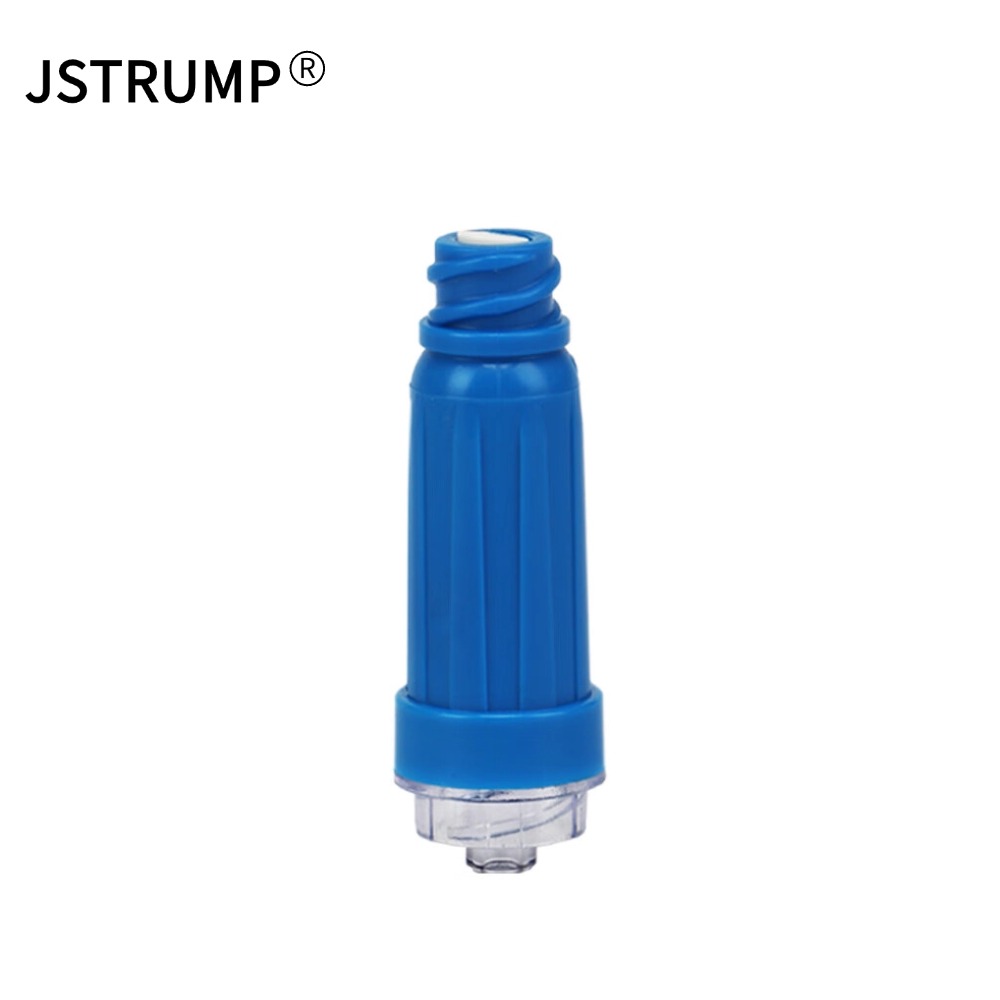
Oncology wards operate in one of the most demanding clinical environments in modern healthcare. Patients receiving chemotherapy are often immunocompromised, treatment protocols are highly sensitive to contamination, and every step in drug preparation and administration must follow strict infection control and safety standards. For this reason, more hospitals, cancer centers, infusion units, and day-treatment clinics are adopting sterile chemotherapy consumables sourced from certified medical consumables manufacturers.
Sterile chemotherapy consumables are single-use or controlled-use medical supplies designed to support the preparation, transfer, administration, and disposal of cytotoxic or antineoplastic drugs. These products are manufactured and packaged under controlled conditions to reduce microbial contamination, protect healthcare workers, maintain drug integrity, and improve patient safety. In oncology settings, the use of certified sterile consumables is not only a best practice but a practical necessity for compliance, consistency, and operational efficiency.
This article provides a detailed, SEO-friendly overview of sterile chemotherapy consumables for oncology wards, including definitions, typical product categories, clinical advantages, purchasing considerations, technical specifications, and a comparison table that can be used on blog pages, directory pages, category pages, or industry landing pages. The content is intentionally general and industry-focused, with no specific company recommendations.
Sterile chemotherapy consumables are disposable medical products used during the handling of chemotherapy drugs and related oncology procedures. They are designed to help maintain sterility throughout drug preparation, transfer, infusion, monitoring, and waste containment. In a hospital oncology ward, these consumables are often used in pharmacy cleanrooms, treatment rooms, infusion chairs, outpatient oncology centers, and bedside administration areas.
The term “sterile” means the product has undergone validated sterilization processes and is packaged to preserve that sterile condition until use. The term “chemotherapy consumables” refers to consumable items that are used once or in limited clinical workflows and then discarded according to hazardous waste protocols. These products must often meet strict quality requirements because they may come into contact with hazardous drugs, mucous membranes, intravenous access points, or contaminated surfaces.
In oncology care, sterile chemotherapy consumables are selected to reduce the risk of infection, leakage, exposure, and cross-contamination. They also help standardize care pathways across nursing teams and pharmacy operations. Common examples include sterile infusion sets, needleless connectors, protective gowns, sterile syringes, transfer devices, collection bags, disposable drapes, and chemotherapy spill-control items.
Oncology patients are especially vulnerable to infection because chemotherapy can suppress the immune system and reduce the body’s ability to fight bacteria, viruses, and fungi. Even low-level contamination can lead to serious complications, delayed treatment, longer hospital stays, or life-threatening outcomes. For this reason, oncology wards require consumables that support clean handling and safe administration.
Another major concern is occupational exposure. Chemotherapy drugs are classified as hazardous in many healthcare systems, and improper handling can expose nurses, pharmacists, porters, and cleaning staff to toxic substances. Sterile, certified consumables help reduce exposure risk by providing controlled delivery, secure sealing, contamination barriers, and safer disposal pathways.
Oncology wards also depend on repeatable performance. Infusion therapy, drug reconstitution, and catheter-based administration must be precise. High-quality sterile consumables help ensure compatibility, flow consistency, leak resistance, and predictable use in high-pressure clinical settings.
A certified medical consumables manufacturer is a production company that operates under recognized quality management, regulatory, and safety frameworks for medical device or medical supply production. Certification may involve quality system standards, clean manufacturing controls, product testing, traceability, sterilization validation, and documented compliance with applicable market requirements.
In practice, certification helps assure buyers that the consumables are made using controlled processes and that the manufacturer follows documented procedures for raw materials, assembly, packaging, sterilization, labeling, and batch release. For oncology wards, this matters because product consistency and sterility are not optional; they are core requirements for patient and staff safety.
Healthcare procurement teams often evaluate whether a manufacturer can provide batch traceability, sterilization reports, lot identification, packaging integrity, shelf-life data, and documented quality assurance processes. These factors are particularly important in oncology where consumables are used in direct patient care and hazardous drug handling.
Sterile chemotherapy consumables cover a wide range of products. The exact selection depends on the facility type, treatment volume, infusion workflow, and local regulations. Below are some of the most widely used categories in oncology wards and cancer treatment units.
| Consumable Category | Typical Use | Key Functional Benefit |
|---|---|---|
| Sterile infusion sets | Administer chemotherapy drugs through IV systems | Controlled fluid delivery and contamination reduction |
| Needleless connectors | Access IV lines without needles | Lower needle-stick risk and improved line safety |
| Sterile syringes | Drug withdrawal, dilution, or flushing | Accurate dosing and sterile handling |
| Cytotoxic transfer devices | Transfer hazardous drugs between containers | Reduced leakage and exposure risk |
| Disposable chemotherapy gowns | Protect staff during preparation and administration | Barrier protection against splashes and contact |
| Sterile drapes and pads | Create controlled work surfaces | Cleaner procedure environment |
| Sharps containers | Dispose of needles and sharps safely | Safer waste containment |
| Chemo spill kits | Respond to accidental drug spills | Fast containment and cleanup support |
| Closed-system access products | Limit aerosolization and leakage during drug handling | Improved occupational safety |
| Protective sterile gloves | Barrier protection during handling | Lower contamination and exposure risk |
Oncology wards adopt sterile chemotherapy consumables for several practical and clinical advantages. These benefits support both patient outcomes and workflow reliability.
Sterile consumables reduce the chance of introducing microorganisms into vulnerable treatment environments. This is particularly important for patients with low white blood cell counts, central venous access devices, or prolonged treatment schedules.
Chemotherapy drugs can be toxic, carcinogenic, or teratogenic. Sterile and certified consumables help minimize accidental leakage, splashing, and contact exposure during preparation and administration.
Standardized consumables support predictable outcomes across multiple staff members and shifts. This consistency is important in busy oncology wards where procedures must be repeated safely and efficiently.
Products designed for oncology use help protect nurses, pharmacists, and technicians from needlestick injuries, contamination events, and direct drug contact.
Certified medical consumables help healthcare facilities align with internal policies, procurement standards, and external audit requirements.
Patients benefit from cleaner procedures, fewer interruptions, and reduced risk of avoidable complications caused by contamination or product failure.
Below is a general specification table commonly used to describe sterile chemotherapy consumables for oncology wards. These values vary by product type, local regulation, and manufacturer design.
| Specification Item | Common Options / Range | Industry Relevance |
|---|---|---|
| Sterility status | Sterile, validated sterilization process | Critical for infection control |
| Packaging | Single-use sterile pouch, peel-open pack, sealed tray | Maintains sterility until use |
| Material | Medical-grade PVC, PP, PE, silicone, nonwoven, latex-free options | Affects compatibility and safety |
| Intended use | Drug transfer, infusion, protection, containment, disposal | Defines clinical application |
| Compatibility | IV systems, closed-system devices, catheter setups | Ensures workflow integration |
| Barriers / protection | Fluid-resistant, splash-resistant, puncture-resistant | Important for hazardous drug handling |
| Traceability | Lot number, batch code, expiration date | Supports recall and inventory control |
| Shelf life | Usually 2–5 years depending on product | Important for stock planning |
| Size / dimensions | Varies by use case | Ensures fit and usability |
| Quality documentation | Certificate of conformity, sterilization report, test data | Supports procurement review |
Choosing sterile chemotherapy consumables is not simply a matter of pricing. Oncology departments usually evaluate a combination of safety, usability, regulatory compliance, and supply consistency before adopting a product line.
| Selection Factor | What to Check | Why It Matters |
|---|---|---|
| Certifications | Quality system compliance, product registration, sterilization validation | Confirms controlled manufacturing |
| Sterility assurance | Validated sterilization method and sterile packaging integrity | Reduces contamination risk |
| Hazard protection | Fluid resistance, secure seals, closed-system compatibility | Protects staff from exposure |
| Ease of use | Simple assembly, clear markings, ergonomic handling | Supports workflow efficiency |
| Product compatibility | Fits existing pumps, lines, catheters, and protocols | Prevents operational disruption |
| Batch traceability | Visible lot and expiration data | Supports quality control |
| Supply stability | Reliable lead times and consistent availability | Prevents treatment delays |
| Packaging quality | Damage resistance during transport and storage | Preserves sterility |
In an oncology ward, treatment workflows often involve multiple steps: prescription verification, pharmacy preparation, sterile transfer, nursing administration, patient monitoring, and waste disposal. Each step introduces possible contamination or exposure risk if the wrong consumables are used. Sterile chemotherapy consumables support each stage by standardizing protection and handling.
For example, sterile infusion sets and needleless connectors help create a safer delivery pathway between the prepared medication and the patient’s vascular access device. Sterile drapes and gloves create controlled procedural conditions. Closed-system transfer devices reduce vapor or aerosol release when a hazardous drug is moved from one container to another. Spill kits and sharps containers ensure that accidents and waste are managed quickly and safely.
This workflow support is one reason oncology wards increasingly prefer certified medical consumables manufacturers. A reliable product system reduces training complexity, improves stock control, and helps staff work more confidently in a high-risk environment.
Even sterile chemotherapy consumables can lose effectiveness if they are stored or handled incorrectly. Hospitals should follow clear inventory and storage rules to preserve product integrity and sterility.
Proper handling not only preserves product integrity but also helps maintain audit readiness and reduces avoidable waste in oncology departments.
When sourcing sterile chemotherapy consumables, oncology wards and hospital purchasing departments often request documentation related to quality and regulatory compliance. While exact requirements vary by country, facilities commonly review the following:
Certified manufacturing does not only concern product appearance. It reflects the entire lifecycle of the consumable, including design control, raw material management, production environment, packaging integrity, and post-production documentation.
The adoption of sterile chemotherapy consumables brings measurable benefits across different healthcare settings. Large hospitals benefit from standardized procurement and better unit-level consistency. Smaller cancer clinics benefit from reduced contamination concerns and easier staff training. Ambulatory infusion centers benefit from efficiency, safety, and streamlined patient turnover.
For administrators, these consumables can support cost control by reducing product failures, preventing avoidable incidents, and decreasing the likelihood of treatment interruptions. For clinicians, they simplify procedures and support confidence in daily workflows. For patients, they contribute to safer treatment experiences and a cleaner care environment.
The oncology consumables market continues to evolve in response to rising cancer treatment volumes, stricter safety expectations, and increased use of infusion-based therapies. Several key trends are shaping purchasing decisions:
These trends show that oncology wards are not only looking for sterile products, but also for consumables that integrate smoothly into modern clinical workflows, reduce risk, and support sustainable procurement strategies.
In many clinical situations, sterile consumables are strongly recommended or required by internal protocols because oncology patients are highly vulnerable to infection and hazardous drug exposure. Exact requirements depend on local regulations and facility standards.
A certified manufacturer typically operates under recognized quality systems and documented production controls. This may include quality management compliance, sterilization validation, product testing, and traceability systems.
Some general medical products may be used in supporting roles, but chemotherapy workflows usually require products specifically designed for sterility, hazardous drug handling, and compatibility with oncology procedures.
Sterile consumables are manufactured and packaged to minimize microbial contamination and are intended for use in procedures where sterility is critical. Non-sterile consumables do not carry the same contamination control assurance.
Even a sterile product can become unsafe if packaging is damaged. Integrity of the sealed package is essential to preserve sterility during storage, transport, and handling.
Oncology wards adopt sterile chemotherapy consumables from certified medical consumables manufacturers to improve infection control, protect staff from hazardous drug exposure, maintain clinical consistency, and support safe treatment delivery. These products are essential in modern cancer care because they address the practical demands of sterile handling, occupational safety, and high-quality patient management.
For hospitals, infusion centers, and oncology departments, the key priorities are clear: choose products with validated sterility, reliable packaging, compatible specifications, strong traceability, and manufacturer documentation that supports quality assurance. When these factors are in place, sterile chemotherapy consumables become a foundational part of safer, more efficient oncology operations.
As cancer treatment volumes increase and safety standards continue to rise, demand for certified sterile chemotherapy consumables will remain strong. Healthcare providers that prioritize product quality and manufacturing credibility will be better positioned to support both patient care and staff protection in the years ahead.
```
Этот веб-сайт использует файлы cookie, чтобы обеспечить вам максимально эффективное использование нашего веб-сайта.



 телефон
Комментарий
(0)