
Investment opportunities in medical disposable supplies manufacturing bases are expanding rapidly as global healthcare systems
demand safer, more efficient, and cost-effective single-use products. From hospitals and clinics to emergency care, laboratories, and home
healthcare settings, the need for disposable medical products continues to grow across nearly every region. For investors, manufacturers,
distributors, and procurement teams, this sector offers long-term potential driven by hygiene standards, infection prevention policies,
rising healthcare consumption, and supply chain localization trends.
This page provides a comprehensive, SEO-friendly overview of the industry, including key definitions, manufacturing base advantages,
product categories, materials, compliance considerations, production specifications, market drivers, and investment factors. The content is
designed for use in blogs, category pages, industry pages, and directory pages, with structured headings and tables suitable for search engine
indexing.
Medical disposable supplies are single-use healthcare products designed for short-term use and then discarded after one patient or one
procedure. These products help reduce the risk of contamination, cross-infection, and reuse-related failures. In the medical supply chain,
disposable products play a critical role in daily clinical operations, surgery support, diagnostic workflows, and patient protection.
The category includes a wide range of items such as disposable gloves, face masks, surgical gowns, isolation gowns, caps, shoe covers,
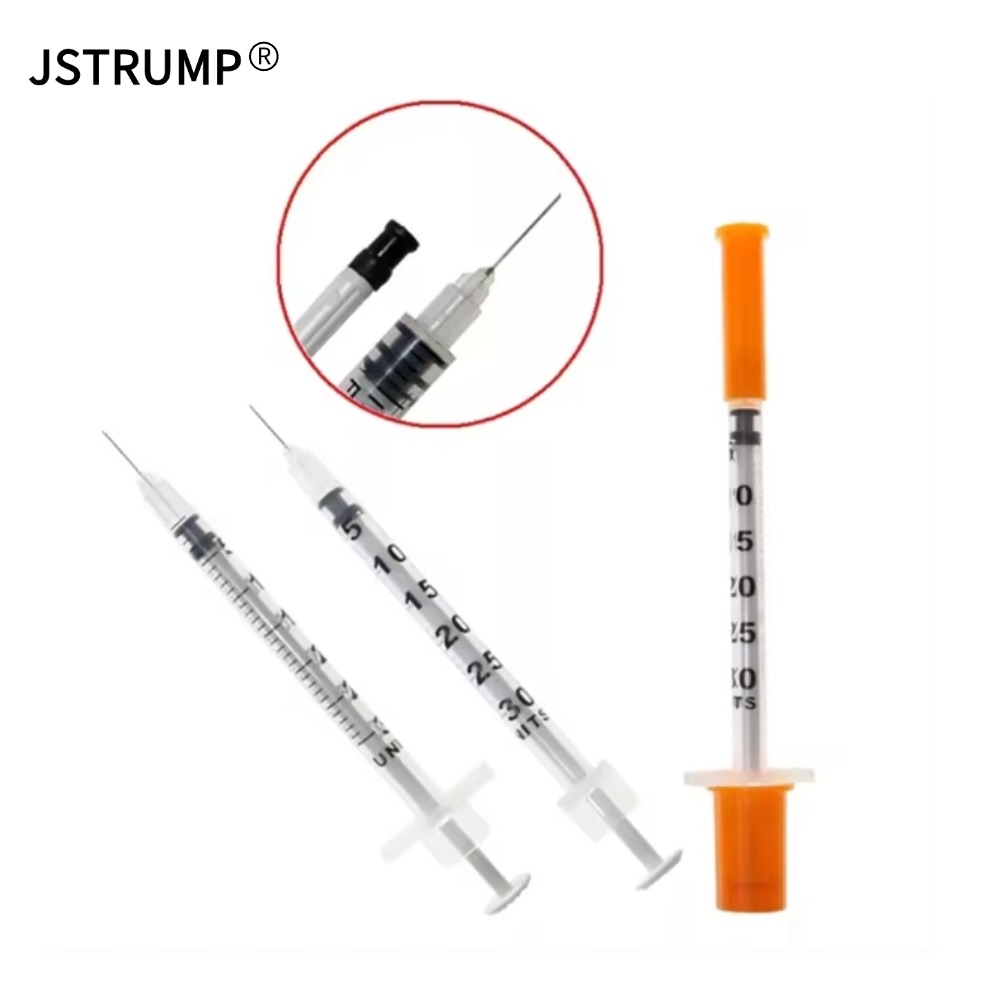
syringes, infusion sets, catheters, specimen containers, wound dressings, medical drapes, and other hygiene-related consumables. Because these
items are used in high volumes and require consistent quality, the manufacturing base behind them is a key element of the healthcare economy.
A medical disposable supplies manufacturing base is more than a factory. It is an integrated production ecosystem that may
include raw material sourcing, cleanroom production, sterilization systems, packaging lines, quality control laboratories, warehousing,
logistics, and export handling. Investment interest in these bases has increased because the sector combines stable demand with scalable
manufacturing economics.
Unlike many consumer goods segments, medical disposable products are supported by recurring demand. Hospitals, clinics, pharmacies,
laboratories, long-term care centers, and emergency services require continuous replenishment. In addition, many disposable supplies are
standardized, meaning that once quality systems are established, production can be repeated at high volume with predictable output.
Several structural trends continue to support the growth of medical disposable supplies manufacturing bases. These drivers are not limited to
one market; they apply across domestic healthcare systems and international trade channels.
| Investment Driver | Description | Impact on Manufacturing Bases |
|---|---|---|
| Infection Prevention | Healthcare providers require products that reduce cross-contamination and infection risk. | Increases demand for gloves, masks, gowns, drapes, and sterile consumables. |
| Healthcare Expansion | Hospital construction, clinic growth, and aging populations increase product usage. | Supports long-term volume growth and capacity expansion. |
| Supply Chain Localization | Organizations seek shorter, more resilient sourcing channels for critical medical supplies. | Creates opportunities for regional manufacturing bases and nearshore production. |
| Automation and Efficiency | Modern production technologies reduce labor dependency and improve consistency. | Raises margins and improves competitiveness. |
| Export Demand | Many regions import large quantities of disposable medical items. | Supports international sales and diversified revenue streams. |
| Standardized Product Design | Many products follow common specifications and can be mass-produced. | Improves repeatability and scalable manufacturing economics. |
A strong manufacturing base often covers multiple product groups. Investors should understand the breadth of the category because product
diversification can improve revenue stability and reduce reliance on a single market segment.
| Product Category | Examples | Typical End Users |
|---|---|---|
| Disposable Protective Wear | Face masks, surgical masks, isolation gowns, disposable gowns, caps, shoe covers | Hospitals, clinics, laboratories, dental offices |
| Disposable Examination Supplies | Exam gloves, aprons, patient bibs, bed sheets, underpads | Medical centers, nursing facilities, outpatient clinics |
| Surgical Consumables | Surgical drapes, sterile wraps, surgical kits, sterile sponges, procedure packs | Operating rooms, surgery centers, trauma units |
| Injection and Infusion Products | Syringes, IV sets, infusion tubing, needles, connectors | Hospitals, vaccination centers, home care providers |
| Diagnostic and Sampling Items | Specimen cups, swabs, collection tubes, test accessories | Laboratories, diagnostic centers, clinics |
| Wound Care and Hygiene Products | Gauze, bandages, dressings, cotton products, cleansing wipes | Emergency rooms, pharmacies, first aid settings |
Material selection is a core factor in product performance, regulatory compliance, and manufacturing cost. Most disposable medical supplies are
made from polymers, nonwoven fabrics, rubber-based materials, paper composites, or absorbent medical-grade fibers. The choice of material
depends on whether the product must be sterile, fluid-resistant, breathable, flexible, or high-strength.
| Material | Main Properties | Common Applications |
|---|---|---|
| PP Nonwoven | Lightweight, breathable, economical, suitable for filtration layers | Masks, gowns, caps, drapes |
| PE Film | Water-resistant, flexible, protective barrier | Aprons, underpads, packaging layers |
| SMS Fabric | Multi-layer structure with improved fluid resistance and strength | Surgical gowns, drapes, isolation wear |
| Nitrile | High puncture resistance, latex-free, chemical-resistant | Disposable gloves |
| Latex | Elastic, comfortable fit, strong tactile sensitivity | Gloves and elastic medical components |
| Medical-Grade PVC | Transparent, soft, durable, suitable for tubing and fluid transfer | IV sets, catheters, connectors |
| Absorbent Cotton | Soft, absorbent, suitable for wound contact | Gauze, swabs, dressings |
| Paper and Laminates | Printable, sterile-pack compatible, easy to seal | Medical packaging, pouch systems, wraps |
A well-developed manufacturing base offers several strategic advantages. These benefits are important for investors who are evaluating new
capacity, joint ventures, contract manufacturing, or regional distribution support.
Medical disposable supplies often lend themselves to high-volume, repeatable manufacturing. Once a line is validated, output can be scaled by
adding shifts, lines, or automation modules. This makes the sector suitable for phased investment strategies.
Many facilities can produce multiple product types using related equipment and shared infrastructure. This helps manufacturers diversify and
respond to market demand changes without building entirely separate plants for each product line.
Demand comes from hospitals, procurement agencies, wholesalers, distributors, and institutional buyers. The B2B nature of the market supports
contract-based revenue, recurring orders, and long-term supply relationships.
Manufacturing bases located in strategic logistics regions can serve both domestic and international markets. If they meet quality and
certification requirements, they can participate in global medical supply chains.
Many disposable products are suitable for automated cutting, molding, sealing, packaging, and inspection. Automation can improve yield, lower
unit costs, and reduce contamination risks.
Investors should assess the physical and operational elements that make up a medical disposable manufacturing base. The more integrated the
site, the better its ability to control quality, reduce delays, and improve margins.
| Facility Component | Function | Investment Value |
|---|---|---|
| Production Workshops | Core manufacturing area for forming, assembly, sealing, or packaging | Defines output capacity and product range |
| Cleanrooms | Controlled environments for sterile or high-hygiene products | Essential for quality-sensitive medical disposable items |
| Material Warehouses | Storage for raw materials and semi-finished goods | Supports production continuity and inventory management |
| Quality Control Labs | Testing of materials, dimensions, sterility, filtration, and sealing | Improves product reliability and regulatory readiness |
| Sterilization Units | EtO, gamma, steam, or other sterilization processes depending on product type | Necessary for many sterile medical disposable products |
| Packaging Lines | Primary and secondary packaging, labeling, batch coding | Supports shelf life, traceability, and market compliance |
| Logistics Area | Finished goods storage, loading docks, export preparation | Improves shipping speed and distribution efficiency |
Quality management is one of the most important factors in the medical disposable supplies industry. Buyers expect consistency, safety, and
documentation. Manufacturing bases that serve regulated markets must be prepared for technical audits, product testing, and traceability
requirements.
Common compliance areas include material safety, microbiological control, performance testing, labeling accuracy, packaging integrity, and
batch traceability. Depending on the target market, manufacturers may need to align with international quality systems and product-specific
standards.
| Compliance Area | Typical Requirement | Business Importance |
|---|---|---|
| Quality Management System | Documented processes, risk control, corrective actions, traceability | Supports consistency and buyer confidence |
| Material Testing | Physical, chemical, and microbial evaluation of raw materials | Ensures product performance and safety |
| Sterility Assurance | Controlled sterilization and validation for sterile products | Required for many surgical and invasive items |
| Packaging Integrity | Seal strength, leakage control, shelf-life stability | Protects product during transport and storage |
| Labeling Accuracy | Product identification, lot number, expiration date, usage information | Supports regulatory and customer requirements |
| Process Validation | Repeatable production output under controlled conditions | Improves audit readiness and manufacturing reliability |
There are several ways to participate in this industry. The most suitable model depends on available capital, technical expertise, market
access, and desired operating scale.
While actual product specifications vary by market and use case, the table below shows a general overview of common specification ranges in the
medical disposable supplies industry. These are typical examples only and should be adapted to local regulations and buyer requirements.
| Product | Common Specification Range | Primary Performance Focus |
|---|---|---|
| Disposable Face Mask | 3-layer structure, adjustable nose bridge, ear-loop design | Filtration, breathability, comfort |
| Surgical Gown | Lightweight to reinforced versions, fluid-resistant, sterile packaging | Barrier protection, coverage, mobility |
| Disposable Gloves | Various sizes, powder-free options, latex or nitrile material | Tactile sensitivity, puncture resistance, fit |
| IV Infusion Set | Medical-grade tubing, drip chamber, connector components | Fluid flow stability, sterility, safety |
| Syringe | Multiple capacities, clear barrel, secure plunger, needle compatibility | Accuracy, smooth operation, sterility |
| Sterile Drapes | Single or multi-layer, adhesive or non-adhesive, custom sizes | Contamination control, field isolation |
Investment planning should account for both initial capital expenditures and ongoing operational costs. Cost structure may vary significantly
depending on product category, automation level, local labor rates, and regulatory burden.
| Cost Category | Examples | Business Impact |
|---|---|---|
| Land and Facility | Site acquisition, building construction, cleanroom installation | Major upfront capital requirement |
| Equipment | Cutting machines, molding systems, sealing units, packaging lines | Determines production automation and capacity |
| Raw Materials | Nonwoven fabrics, polymers, rubber, packaging components | Largest variable cost in many product lines |
| Labor | Production staff, quality staff, maintenance, logistics | Affects efficiency and operating margins |
| Compliance | Testing, certification, audits, documentation systems | Necessary for regulated market access |
| Utilities and Maintenance | Electricity, water, HVAC, spare parts, calibration | Supports stability and equipment life cycle |
| Packaging and Logistics | Cartons, labels, pallets, transport, warehousing | Influences delivery performance and product protection |
Medical disposable supplies manufacturing bases can target multiple entry points depending on product specialization and buyer demand. The
industry is flexible enough to support large-scale integrated production as well as niche categories.
Although the industry offers strong opportunities, investors should carefully assess the risks associated with regulatory complexity,
commodity pricing, market competition, and quality control. The most successful manufacturing bases usually combine technical discipline with
strategic purchasing and robust operational management.
| Risk Factor | Description | Mitigation Approach |
|---|---|---|
| Raw Material Volatility | Prices of polymers, nonwoven materials, and rubber may fluctuate. | Long-term supplier contracts and diversified sourcing. |
| Regulatory Changes | Medical device and hygiene requirements may change by region. | Maintain compliance monitoring and technical documentation. |
| Quality Defects | Defects can lead to recalls, returns, or reputation damage. | Strengthen QC inspection and process validation. |
| Price Competition | Some product segments are highly competitive and cost-sensitive. | Focus on efficiency, reliability, and differentiation. |
| Supply Disruption | Material shortages or logistics delays can affect output. | Build inventory buffers and local supply options. |
| Capital Intensity | Cleanrooms, sterilization, and equipment require significant investment. | Use phased expansion and demand-based capacity planning. |
To create a durable and profitable medical disposable supplies manufacturing base, investors should focus on product quality, operational
discipline, and market alignment. Facilities that compete successfully tend to share several best practices:
For websites targeting organic search traffic, the medical disposable manufacturing sector benefits from repeated use of high-intent,
industry-specific phrases. Content should naturally include terms such as medical disposable supplies manufacturing base,
disposable medical products, medical consumables factory, single-use healthcare products,
sterile disposable supplies, medical disposable product manufacturing, healthcare disposable supplies,
and medical supply production base.
Search engines also respond well to structured content that explains definitions, benefits, applications, compliance, materials, and
specifications. Including tables, lists, and clear headings can improve relevance, readability, and crawlability. For directory pages and
industry landing pages, it is helpful to repeat core keywords in headings, intro paragraphs, and supporting sections without overstuffing.
| Term | Meaning |
|---|---|
| Disposable Medical Supplies | Single-use products used in healthcare settings and discarded after use. |
| Manufacturing Base | A production site with integrated facilities, equipment, and logistics support. |
| Sterile Packaging | Packaging designed to maintain product sterility until point of use. |
| Cleanroom Production | Controlled manufacturing environment with reduced contamination risk. |
| OEM | Original equipment manufacturing for third-party brands or buyers. |
| Private Label | Products manufactured by one company and sold under another company’s brand. |
The investment opportunities in medical disposable supplies manufacturing bases remain strong because healthcare demand is
persistent, product turnover is high, and quality-controlled supply chains are essential in every market. From disposable gloves and masks to
sterile surgical consumables and infusion products, the industry supports a broad range of business models and investment strategies.
For investors, the most attractive opportunities are usually found in manufacturing bases that combine reliable sourcing, strong compliance,
efficient production systems, and diversified product lines. As hospitals, distributors, and governments continue to prioritize safety,
resilience, and cost efficiency, the need for modern medical disposable supplies manufacturing bases will likely continue to expand.
Whether the goal is domestic supply, export growth, private label production, or contract manufacturing, this sector offers a practical path
to scalable participation in the global healthcare economy.
```
If you want, I can also turn this into:
1. a more keyword-optimized Google ranking version,
2. an even longer 3000–5000 word version, or
3. a fully styled HTML section with FAQ schema and meta-friendly heading hierarchy.
Этот веб-сайт использует файлы cookie, чтобы обеспечить вам максимально эффективное использование нашего веб-сайта.



 телефон
Комментарий
(0)