
Будущие тенденции в здравоохранении влияют на инновации среди производителей медицинских расходных материалов
Введение
Понимание производства медицинских расходных материалов
Роль медицинских расходных материалов в современном здравоохранении
Будущие тенденции в здравоохранении, меняющие отрасль
Как инновации меняют производство медицинских расходных материалов
Основные категории медицинских расходных материалов
Передовые технологии, способствующие разработке продуктов
Умное производство и Индустрия 4.0
Инновационные материалы в медицинских расходных материалах
Тенденции в области безопасности пациентов и профилактики инфекций
Устойчивое развитие и экологическая ответственность
Характеристики и технические характеристики продукции
Соблюдение нормативных требований и управление качеством
Трансформация цепочки поставок и глобальное распространение
Проблемы, с которыми сталкиваются производители медицинских расходных материалов
Новые возможности на рынках здравоохранения
Будущие перспективы производства медицинских расходных материалов
Часто задаваемые вопросы
Заключение
Введение
Индустрия здравоохранения переживает быструю трансформацию, вызванную технологическими достижениями, демографическими изменениями, меняющимися ожиданиями пациентов, изменениями в законодательстве и растущими глобальными потребностями здравоохранения. Эти изменения создают новые возможности и проблемы для производителей медицинских расходных материалов, стимулируя постоянные инновации в дизайне продукции, материалах, производственных процессах, системах управления качеством и операциях цепочки поставок.
Медицинские расходные материалы — это продукты первой необходимости, используемые ежедневно в больницах, клиниках, лабораториях, амбулаторных центрах, отделениях неотложной помощи, хирургических учреждениях и в домашних условиях. Такие продукты, как устройства внутривенного доступа, принадлежности для взятия крови, безопасные ланцеты, шприцы, инфузионные наборы, катетеры и диагностические расходные материалы, поддерживают практически все аспекты оказания медицинской помощи.
Поскольку системы здравоохранения продолжают развиваться, производители разрабатывают инновационные решения, которые повышают безопасность пациентов, клиническую эффективность, профилактику инфекций, устойчивость и эксплуатационные показатели. Будущие тенденции в области здравоохранения существенно влияют на направление разработки продукции и стратегии производства в секторе медицинских расходных материалов.
В этом подробном руководстве рассматривается, как новые тенденции в области здравоохранения формируют инновации среди производителей медицинских расходных материалов, а также рассматриваются технологии, материалы, движущие силы рынка и отраслевые разработки, которые, как ожидается, повлияют на будущий рост.
Понимание производства медицинских расходных материалов
Производство медицинских расходных материалов включает в себя разработку, производство, тестирование, стерилизацию, упаковку и распространение одноразовых медицинских изделий, предназначенных для клинического использования.
Эти продукты обычно предназначены для:
Одноразовые приложения
Профилактика инфекций
Диагностические процедуры
Терапевтические вмешательства
Мониторинг пациентов
Неотложная помощь
Производители сосредоточены на поставке продукции, отвечающей строгим требованиям качества, безопасности и нормативным требованиям.
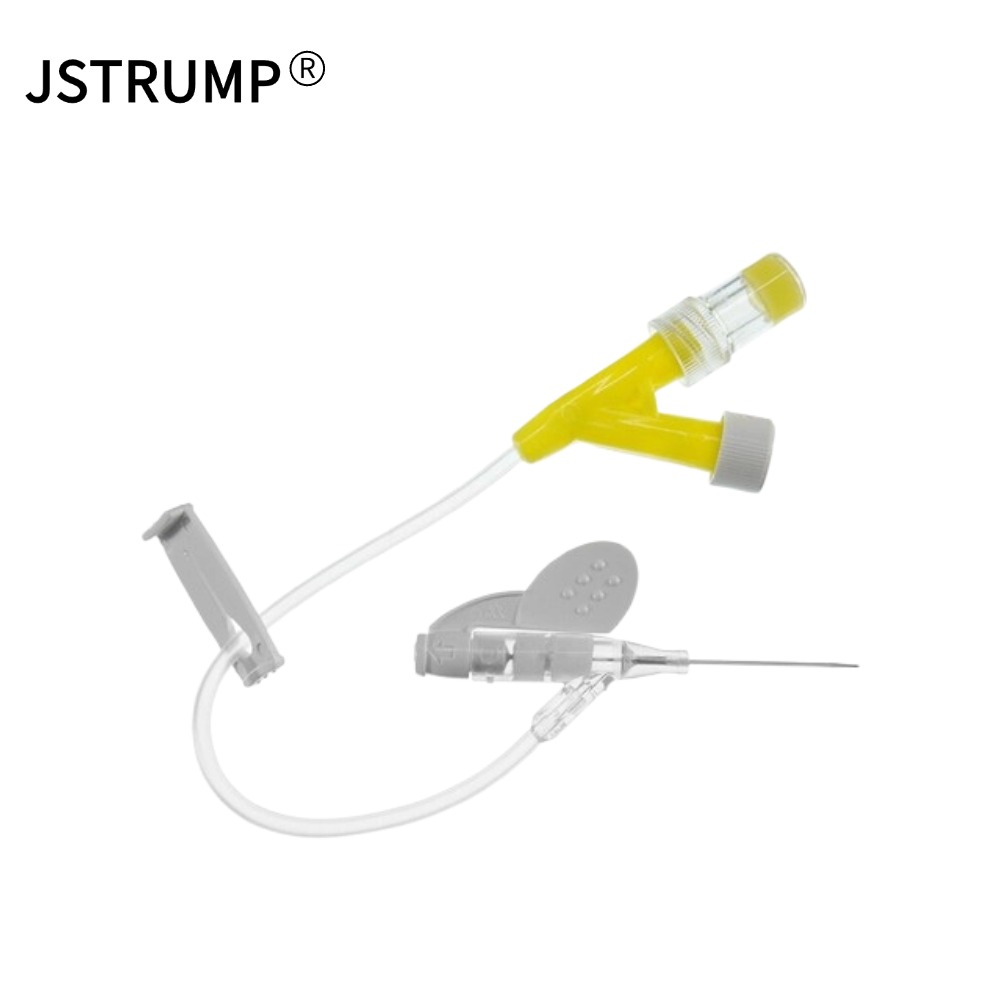
Медицинские расходные материалы – это одноразовые изделия медицинского назначения, используемые при уходе за пациентами, диагностике, лечении и наблюдении.
Примеры включают в себя:
внутривенные канюли
Безопасные внутривенные канюли
Иглы для сбора крови
Безопасные ланцеты
Одноразовые шприцы
Инфузионные наборы
Устройства для сбора образцов
Катетеры
Средства по уходу за ранами
Средства индивидуальной защиты
Эти продукты играют жизненно важную роль в поддержании эффективности работы здравоохранения.
Роль медицинских расходных материалов в современном здравоохранении
Медицинские расходные материалы помогают медицинским работникам, обеспечивая безопасные и эффективные клинические процедуры.
| Приложение | Цель |
|---|---|
| Администрация лекарств | Доставить терапевтические агенты |
| Жидкостная терапия | Поддержка гидратации и лечения |
| Сбор крови | Диагностическое тестирование |
| Инфузионная терапия | Непрерывное лечение |
| Хирургические процедуры | Поддержка ухода за пациентами |
| Профилактика инфекций | Снижение рисков загрязнения |
Системы здравоохранения в значительной степени полагаются на одноразовые изделия, поскольку они обеспечивают удобство, последовательность и безопасность.
Будущие тенденции в здравоохранении, меняющие отрасль
Несколько тенденций в области здравоохранения влияют на инновации среди производителей медицинских расходных материалов.
Старение населения является одной из наиболее значимых тенденций здравоохранения во всем мире.
Пожилым людям обычно требуется:
Больше посещений больницы
Лечение хронических заболеваний
Длительное лечение
Диагностический мониторинг
Внутривенная терапия
Поскольку спрос на здравоохранение растет, производители должны разрабатывать продукты, которые поддерживают растущий объем пациентов.
Во всем мире продолжает расти число хронических заболеваний, таких как сердечно-сосудистые заболевания, диабет, респираторные заболевания и заболевания почек.
Эти условия часто требуют:
Частый мониторинг
Процедуры забора крови
внутривенная терапия
Прием лекарств
Растущая распространенность хронических заболеваний стимулирует спрос на инновационные медицинские расходные материалы.
Оказание медицинской помощи все больше выходит за рамки традиционных больничных условий.
Для оказания медицинских услуг на дому требуются продукты, которые:
Простота в использовании
Надежный
Безопасный
Удобный
Производители разрабатывают расходные материалы, предназначенные специально для домашнего ухода.
Технологии цифрового здравоохранения продолжают менять способ оказания помощи пациентам.
Примеры включают в себя:
Удаленный мониторинг пациентов
Телемедицина
Электронные медицинские карты
Подключенные системы здравоохранения
Эти технологии влияют на дизайн продукта и стратегию производства.
Как инновации меняют производство медицинских расходных материалов
Инновации помогают производителям реагировать на меняющиеся требования здравоохранения.
Ключевые области инноваций включают в себя:
Безопасность продукта
Материаловедение
Автоматизация производства
Устойчивое развитие
Цифровая интеграция
Эти достижения способствуют улучшению результатов в области здравоохранения.
Современные поставщики медицинских услуг ищут продукты, которые улучшают:
Комфорт пациента
Клиническая эффективность
Безопасность медицинских работников
Производители все больше внимания уделяют принципам проектирования, ориентированным на пользователя.
| Инновации | Выгода |
|---|---|
| Механизмы безопасности | Снижение травм |
| Эргономичный дизайн | Более простое обращение |
| Системы контроля крови | Чистые процедуры |
| Улучшенные материалы | Лучшая производительность |
| Стерильная упаковка | Улучшенная защита |
Основные категории медицинских расходных материалов
Будущие тенденции в здравоохранении затрагивают все категории медицинских расходных материалов.
Устройства доступа для внутривенного вливания остаются критически важными для оказания медицинской помощи.
Общие продукты включают в себя:
внутривенные канюли
Безопасные внутривенные канюли
Наборы расширений
Инфузионные аксессуары
Инновации направлены на:
Функции безопасности
Улучшен успех вставки
Системы контроля крови
Технологии сбора крови продолжают развиваться.
Примеры включают в себя:
Безопасные ланцеты
Иглы для сбора крови
Одноразовые устройства для отбора проб
Будущие разработки подчеркивают:
Улучшенный комфорт пациента
Повышенная безопасность
Лучшее качество образца
Поддержка продуктов для инъекций:
Прием лекарств
Программы вакцинации
Неотложная помощь
Производители продолжают улучшать безопасность и удобство использования.
Передовые технологии, способствующие разработке продуктов
Технологии играют центральную роль в инновациях в области медицинских расходных материалов.
Прецизионное производство улучшает:
Консистенция продукта
Точность размеров
Клиническая надежность
Поставщики медицинских услуг все чаще ожидают высокоэффективных продуктов.
Примеры включают в себя:
Выдвижные иглы
Автоматические системы защиты
Механизмы предотвращения воздействия крови
Эти технологии помогают повысить безопасность медицинских работников.
Производители продолжают совершенствовать:
Упаковочные технологии
Методы обеспечения стерильности
Системы предотвращения загрязнения
Стерильность остается важнейшим требованием качества.
Умное производство и Индустрия 4.0
Технологии Индустрии 4.0 трансформируют производственные операции.
Автоматизация поддерживает:
Более высокая эффективность производства
Улучшенная согласованность
Уменьшение человеческого фактора
Преимущества включают в себя:
| Выгода | Влияние |
|---|---|
| Более быстрое производство | Увеличение производительности |
| Лучшее качество | Уменьшенная изменчивость |
| Повышенная эффективность | Снижение эксплуатационных расходов |
| Улучшенная отслеживаемость | Лучшее соответствие |
Производители все чаще используют:
Мониторинг производства в режиме реального времени
Аналитика данных
Прогностическое обслуживание
Эти технологии улучшают производительность производства.
Инновационные материалы в медицинских расходных материалах
Материаловедение остается ключевой областью инноваций.
| Свойство | Важность |
|---|---|
| Биосовместимость | Безопасность пациентов |
| Долговечность | Надежность продукта |
| Гибкость | Простота использования |
| Совместимость по стерилизации | Соответствие нормативным требованиям |
| Прозрачность | Визуальный мониторинг |
Улучшения материалов помогают повысить как функциональность, так и комфорт пациента.
Современные полимеры предлагают:
Улучшенная прочность
Повышенная гибкость
Повышенная производительность
Эти материалы способствуют созданию более безопасных и эффективных продуктов.
Тенденции в области безопасности пациентов и профилактики инфекций
Безопасность пациентов продолжает стимулировать инновации в продуктах.
Поставщики медицинских услуг все чаще отдают приоритет продуктам, снижающим риск заражения.
Производители поддерживают эти усилия посредством:
Конструкции одноразовых изделий
Улучшенные стерильные барьеры
Усовершенствованные упаковочные системы
Инновации в области безопасности помогают сократить:
Травмы от уколов иглой
Случаи заражения крови
Профессиональные вредности
Эти улучшения способствуют повышению безопасности рабочих мест.
Устойчивое развитие и экологическая ответственность
Экологические проблемы становятся все более важными.
Производители внедряют устойчивые методы.
Примеры включают в себя:
Программы сокращения отходов
Энергоэффективное производство
Экологичная упаковка
Ресурсосбережение
Эти инициативы поддерживают долгосрочные экологические цели.
| Инициатива | Выгода |
|---|---|
| Снижение энергии | Снижение выбросов |
| Оптимизация упаковки | Сокращение отходов |
| Ресурсная эффективность | Улучшение устойчивости |
| Улучшения производства | Снижение воздействия на окружающую среду |
Характеристики и технические характеристики продукции
Медицинские расходные материалы различаются в зависимости от типа продукта, но часто имеют общие характеристики.
| Спецификация | Описание |
|---|---|
| Тип продукта | Одноразовые медицинские расходные материалы |
| Использование по назначению | Одноразовое использование |
| Материал | Материалы медицинского назначения |
| Стерильность | Стерильный или нестерильный |
| Упаковка | Индивидуально или массово |
| Срок годности | Определено производителем |
| Условия хранения | Контролируемая среда |
| Согласие | Применимые стандарты |
Соблюдение нормативных требований и управление качеством
Соблюдение нормативных требований по-прежнему имеет важное значение для доступа на рынок и безопасности пациентов.
| Цель | Цель |
|---|---|
| Согласованность продукта | Надежная работа |
| Управление рисками | Защита пациентов |
| Прослеживаемость | Отслеживание продукта |
| Согласие | Соблюдение нормативных требований |
| Постоянное улучшение | Превосходство производства |
Производители обычно реализуют:
Входной контроль материалов
Проверка процесса
Функциональное тестирование
Проверка упаковки
Тестирование на стерильность
Эти программы помогают обеспечить качество продукции.
Трансформация цепочки поставок и глобальное распространение
Инновации в цепочке поставок становятся все более важными.
Медицинские организации стремятся:
Надежные поставки
Быстрая доставка
Видимость инвентаря
Глобальная доступность
Производители инвестируют в технологии, которые улучшают эффективность цепочки поставок.
| Выгода | Влияние |
|---|---|
| Лучшее прогнозирование | Улучшенное планирование |
| Оптимизация запасов | Сокращение дефицита |
| Более быстрое распространение | Лучшее реагирование |
| Повышенная надежность | Улучшенный уход за пациентами |
Проблемы, с которыми сталкиваются производители медицинских расходных материалов
Несмотря на возможности роста, производители сталкиваются с рядом проблем.
Глобальные рынки часто требуют соблюдения нескольких нормативных рамок.
Проблемы включают в себя:
Требования к документации
Тестирование продукта
Управление системой качества
Производители должны сбалансировать:
Качество продукции
Операционная эффективность
Конкурентоспособные цены
Потенциальные риски включают в себя:
Нехватка материалов
Перебои в транспорте
Колебания спроса
Гибкие производственные стратегии помогают решить эти проблемы.
Новые возможности на рынках здравоохранения
Будущие тенденции в здравоохранении также открывают новые возможности.
Новые больницы и клиники продолжают увеличивать спрос на медицинские расходные материалы.
Инвестиции в здравоохранение растут во многих регионах.
Возможности включают в себя:
Расширение доступа к здравоохранению
Новые медицинские учреждения
Более широкое внедрение продукта
Персонализированные подходы к лечению могут повлиять на будущую разработку продукта.
Производители изучают решения, которые поддерживают развивающиеся модели здравоохранения.
Будущие перспективы производства медицинских расходных материалов
Будущее отрасли, вероятно, будет определяться:
Автоматизация
Передовые материалы
Цифровые технологии
Инициативы устойчивого развития
Инновации, ориентированные на пациента
Производители, которые успешно адаптируются к этим тенденциям, будут иметь хорошие возможности для долгосрочного роста.
Часто задаваемые вопросы
Медицинские расходные материалы — это одноразовые медицинские изделия, используемые для диагностики, лечения, мониторинга и профилактики инфекций.
Инновации помогают улучшить безопасность, эффективность, качество и результаты лечения пациентов.
Старение населения, рост хронических заболеваний, расширение медицинского обслуживания на дому, трансформация цифрового здравоохранения и инициативы устойчивого развития.
Они поддерживают более безопасные процедуры, снижают риск заражения, повышают надежность и эффективность здравоохранения.
Производители все больше внимания уделяют снижению воздействия на окружающую среду за счет эффективного производства и экологически чистой упаковки.
Заключение
Будущие тенденции в здравоохранении продолжают влиять на инновации среди производителей медицинских расходных материалов, стимулируя спрос на более безопасные, умные, эффективные и устойчивые продукты здравоохранения. Достижения в области устройств внутривенного доступа, продуктов для взятия крови, инфузионных систем, технологий безопасности, автоматизации производства, материаловедения и управления качеством помогают производителям удовлетворять растущие потребности современных систем здравоохранения.
Поскольку ожидания пациентов растут, а оказание медицинской помощи продолжает трансформироваться, инновации будут оставаться важными для повышения безопасности пациентов, клинической эффективности, предотвращения инфекций и операционных показателей. Производители медицинских расходных материалов, которые придерживаются технологического прогресса, устойчивого развития и превосходного качества, будут играть решающую роль в формировании будущего глобального здравоохранения.
Этот веб-сайт использует файлы cookie, чтобы обеспечить вам максимально эффективное использование нашего веб-сайта.






 телефон
Комментарий
(0)